


Breast
Breast Augmentation Revision in Austin, TX
Unhappy with previous implants? Expert breast revision surgery in Austin corrects capsular contracture, implant displacement, and asymmetry. Book a private consultation.
Recovery Time
Discussed at consultation
Surgeon
Dr. Rocco Piazza II, ABPS
Location
Austin, TX
Financing
Cherry, CareCredit & PatientFi →Overview
Revision Breast Augmentation
Breast revision in Austin is one of the most frequently performed procedures at The Piazza Center — each year, Dr. Rocco Piazza sees hundreds of women whose results have changed with time, or who never achieved their desired outcome in the first place. Revision surgery is fundamentally different from primary breast augmentation: it isn’t a failure, but a predictable response to the way your body, anatomy, and lifestyle evolve over the years.
At a Glance
Everything You Need to Know
Why Revision May Be Needed
- Capsular contracture (firm or hard breasts)
- Implant malposition — too low, too high, or too lateral
- Waterfall deformity or rippling
- Animation deformity from submuscular placement
- Implants more than 10–20 years old
Dr. Piazza’s Approach
- Tissue-preservation techniques at the cellular through functional level
- Pocket correction via subfascial or posterior lamellar placement
- Modern, advanced progressive-gel implants
- AlloClae or fat grafting to enhance soft tissue when needed
What Revision Can Improve
- Implant malposition and lateral displacement (“side-boob”)
- Rippling or visible implant edges
- Capsular contracture and asymmetry
- Lost cleavage and contour irregularities from prior surgery
Recovery
- Often faster than recovery from primary augmentation
- Full range of motion frequently returns early, with reduced discomfort
- Many patients return to work within a few days
- Heavy lifting avoided for the first few weeks while deeper repairs heal
Why Choose Revision
Correcting the past,
restoring what’s natural.
Revision surgery gives Dr. Piazza the opportunity to address the underlying cause of an unnatural look or uncomfortable result — not just replace an implant, but rebuild the anatomy around it.
- 01
Corrected Malposition
Implants that have shifted too low, too high, or too lateral are repositioned into an anatomically respectful pocket.
- 02
Contracture Resolved
Scar tissue causing hard or firm breasts is carefully removed and the pocket is reconstructed.
- 03
Renewed Symmetry
Cleavage, fold position, and shape are restored for a more balanced, even result.
- 04
Rippling Corrected
Visible implant edges and rippling are addressed with implant selection and soft-tissue support.
- 05
Natural Contour
Distortion from over-dissected pockets or disrupted ligaments is corrected to restore a natural shape.
- 06
Tissue-Preserving Technique
Preservation-based methods protect the internal support system for a more durable result.
- 07
Modern Implants
Advanced progressive-gel implants replace older devices for improved feel and longevity.
- 08
Lasting Confidence
A refined, natural-looking result — “I just want to look like me.”
Repairing the
foundation.
Revision is not just about replacing an implant — it’s about rebuilding the anatomy that supports it. Dr. Piazza’s approach combines tissue-preservation techniques, pocket correction through subfascial or posterior lamellar placement, and modern progressive-gel implants, using AlloClae or fat grafting to reinforce soft tissue when needed.
- Tissue Preservation
- Pocket Correction
- Progressive-Gel Implants
The Process
What to Expect During Revision Surgery
Every revision plan is entirely customized to your anatomy and goals. Surgery typically includes precise preoperative marking, careful removal of scar tissue or capsules, reconstruction of the internal support system, creation of a new anatomically respectful pocket, placement of advanced implants, and a layered closure designed to protect the new foundation.
Is it time for
a revision?
These are the signs Dr. Piazza most commonly sees in patients who benefit from revision surgery. None of them mean something went wrong — they’re predictable changes that happen as your body evolves.

Explore your
options in Austin.
Investment
Cost & financing.
Every revision is fully customized, so cost depends on the specific correction your anatomy needs — from pocket repair to implant replacement to added fat grafting. Dr. Piazza provides a comprehensive estimate after your consultation, and flexible financing is available through Cherry, CareCredit®, and PatientFi.
What to Expect
Your recovery,
step by step.
- 01
First Few Days
Discomfort is often lighter than after a primary augmentation. Light walking, and often a treadmill or stair-stepper, are typically fine within the first week.
- 02
First Few Weeks
Heavy lifting is avoided while the reconstructed pocket and any deeper internal repairs heal and settle.
- 03
6 Months
Tissues fully soften over roughly six months — the point at which final results, and candidacy for any further revision, can be assessed.
Feeling great early doesn’t mean fully healed — internal tissues need time, and Dr. Piazza outlines your specific recovery timeline before surgery so you know what to expect.
Results
Your Revision Results
Revision is a normal part of the breast augmentation lifecycle, not a failure. Implants are medical devices, and your body continues to change over years and decades — modern implants and preservation-based techniques improve longevity, but your anatomy will always continue to evolve.
Most patients recover faster and more comfortably than they expect, and go on to enjoy a more natural, balanced, and long-lasting result.
Breasts change with age, just like the rest of the body. This is completely normal and expected — surgery may be needed again in the future, and that’s not a failure.
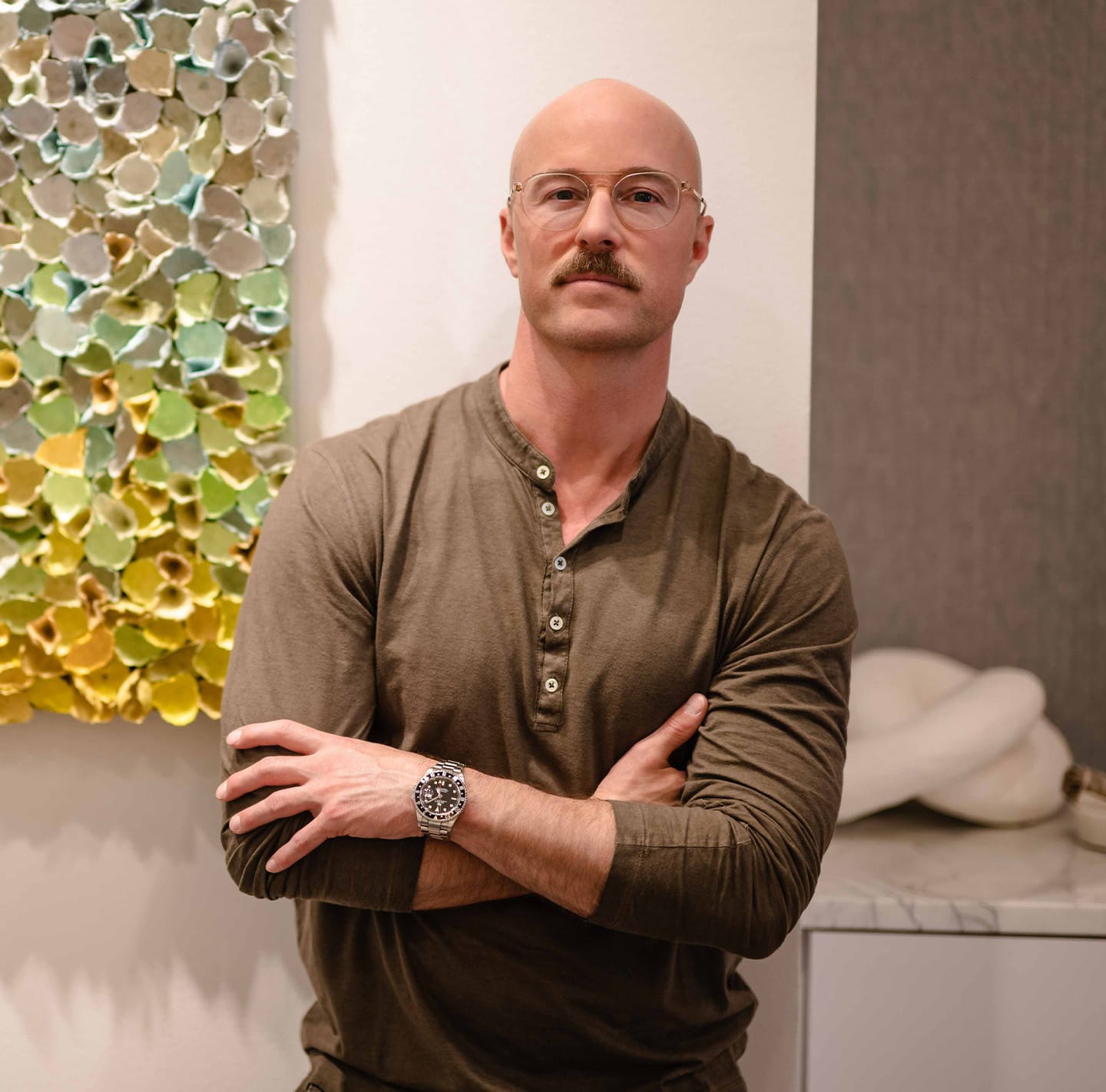
Dr. Rocco C. Piazza II, MD, FACS

Rocco C.
Piazza II
Dr. Rocco Piazza is a board-certified plastic surgeon in Austin, TX, who performs revision breast surgery for hundreds of women each year — correcting capsular contracture, implant malposition, and asymmetry with tissue-preserving techniques built to last. With a lifelong passion for aesthetic surgery, he is dedicated to helping each patient achieve their ideal look while promoting a holistic approach to overall health and wellness.
At The Piazza Center, Dr. Piazza prioritizes exceptional patient care and results, creating lasting relationships with his clients.
- Board Certified in Plastic Surgery by the American Board of Plastic Surgery
- M.D., Alpha Omega Alpha, University of Texas Medical Branch, Galveston, Texas
- Recognized as a Top Doctor on RealSelf
- Recipient of the Doctor’s Choice Award for Plastic Surgery
- Published author with significant contributions to the field of plastic surgery literature
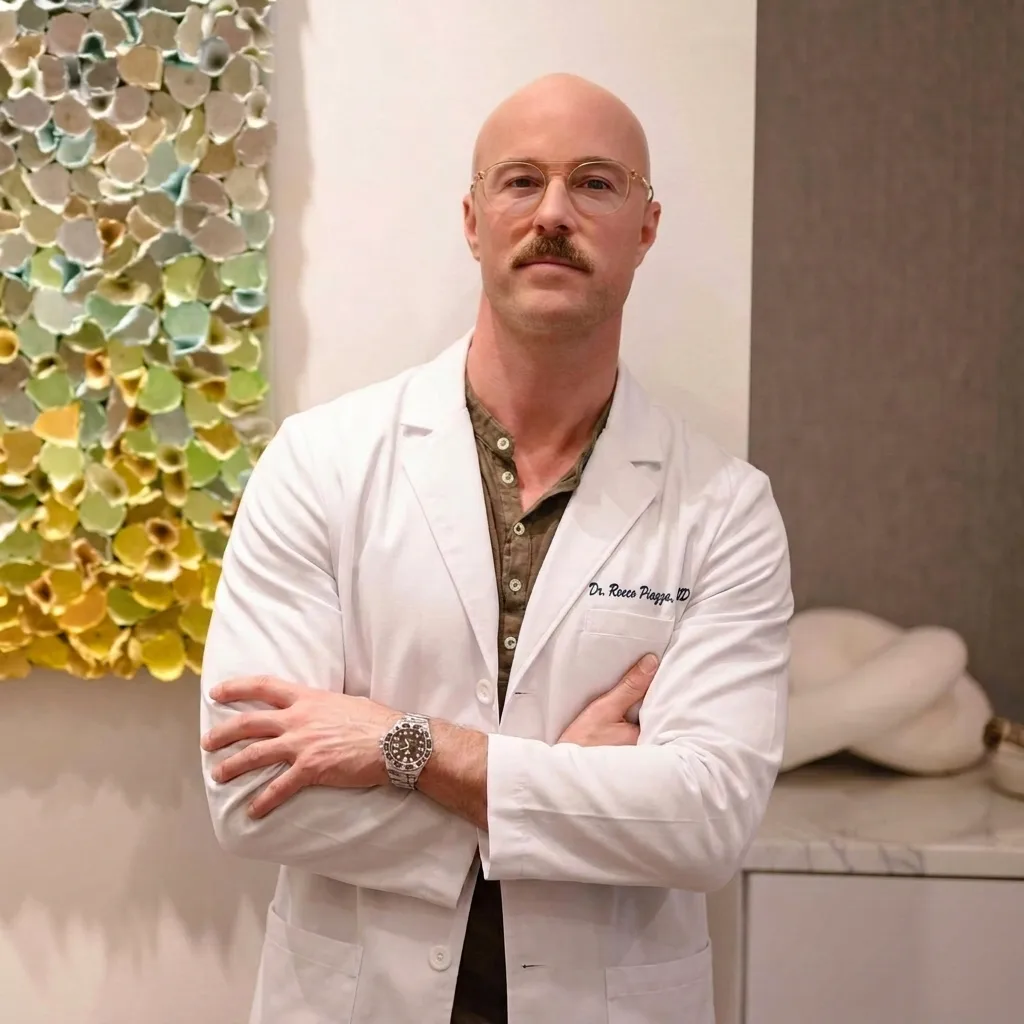 Rocco C. Piazza II — MD, FACS · Founder, The Piazza Center
FAQ
Frequently Asked Questions.
Still have questions specific to your body and goals? Dr. Piazza addresses them one-on-one during your private consultation.
Schedule a Consultation →The goal is to correct problems with each breast. Often, I am dealing with a number of complex problems, such as fold asymmetries and breast distortion, which can be very difficult to correct. I always tell my patients that they will ultimately have surgery again after having breast implants placed and that there are reasons for short–term re–operation and other reasons for long–term re–operation. The most important thing I want my patients to remember is that breasts change with age, just like the rest of the body. This is completely normal and expected, and therefore, surgery may be needed in the future. To learn more, read The Truth About Breast Implants: 10 Years Later in my blog.
It is likely that your breast implants will need to be replaced. This is dependent on a number of things. First, when were the implants placed? Second, are they silicone gel implants or saline implants? Is the implant shell intact? Are you happy with the size of your breasts? During a pre–surgery consultation with you, I will address these questions, as well as your cosmetic goals, to help you determine what is right for you.
As with any surgery, it is important to follow all of your doctor’s instructions after the procedure in order to ensure that you recover as safely and quickly as possible. I usually tell my breast augmentation revision patients that they can resume exercise as soon as they feel comfortable. I prefer that they refrain from heavy lifting for the first few weeks, but I encourage them to get to the gym and walk on a treadmill or stair–step machine in the first week after surgery. I want my patients to get back to feeling like their normal selves as soon as possible. Returning to an active, healthy lifestyle can help achieve beautiful surgical results.
This is a tricky question, and depends on the specifics of the procedure. It can be easier for the patient in that she knows what to expect and is better prepared. However, if you are adding a breast lift, going significantly larger, or require repairs to the implant pocket, your recovery might be more involved the second time around. For the surgeon, the same care and meticulous approach will apply whether it is a primary or secondary breast augmentation. The surgeon may encounter new challenges in a second breast augmentation, such as scar tissue or changes to the implant pocket, making the surgery more complex than the initial one.
There is no expiration date for implants. While the FDA in 2011 recommended replacing implants every 10 years, many women have kept their implants for 20+ years. Most surgeons will tell you that, if you are not experiencing problems with your implants, there is no reason to consider removing them. If it brings you peace of mind, you can monitor your implants with ultrasound or MRI imaging. The FDA recommends every other year starting 5 or 6 years after your surgery.
Most surgeons would recommend waiting at least 6 months before seeking a revision surgery. It can take this long for the tissues to soften and relax, allowing your implants to “drop and fluff.” Once you have fully healed and your final results are evident, then you and your surgeon can decide whether you want and need a revision procedure.
Breast
Real Results,
Real Patients.
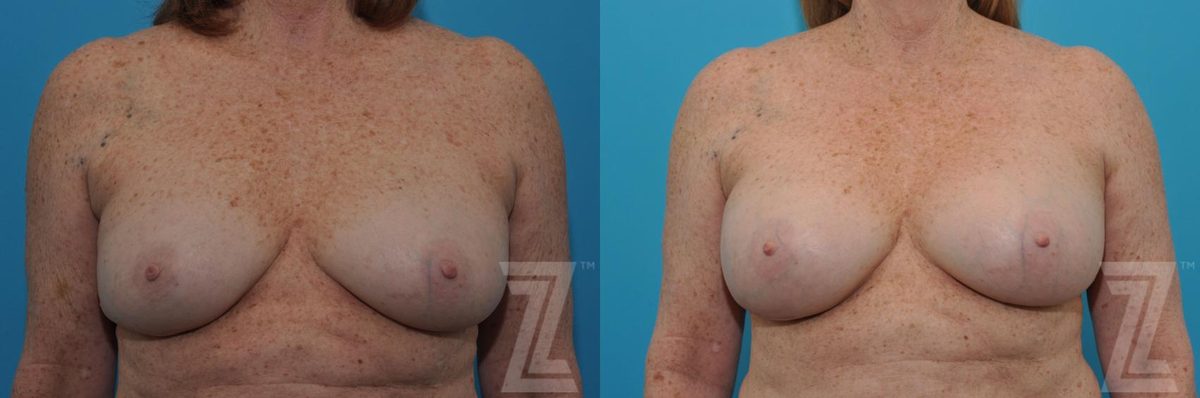
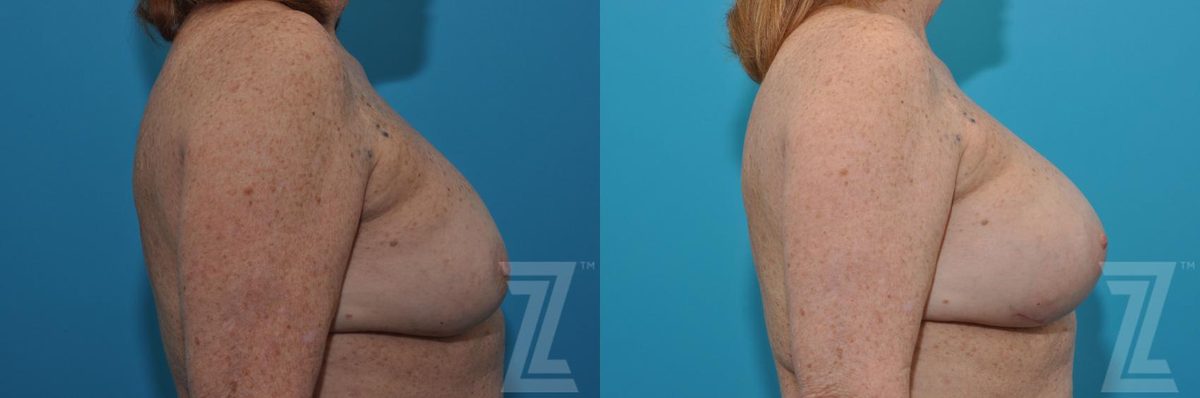
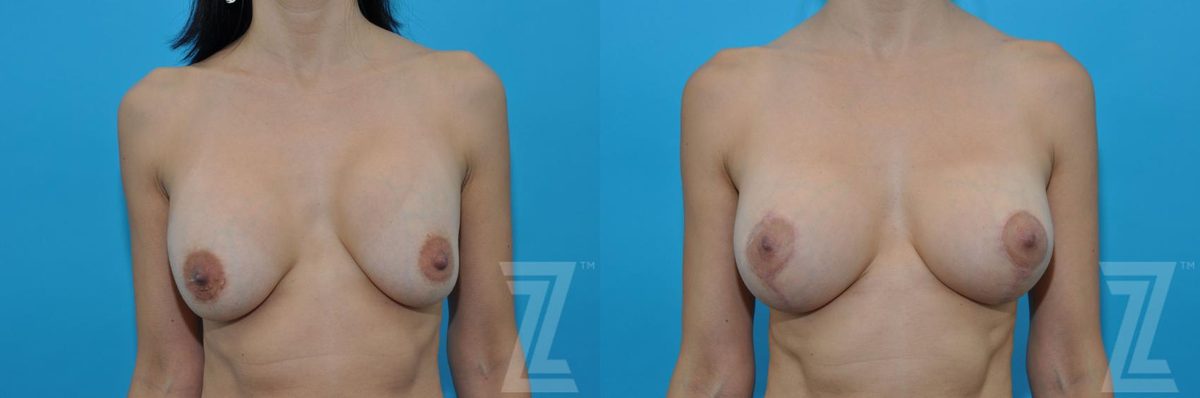
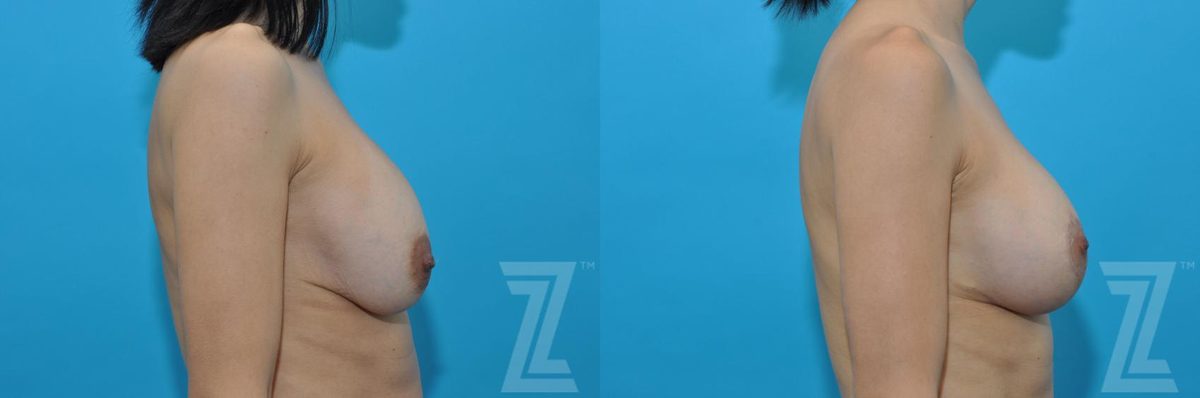
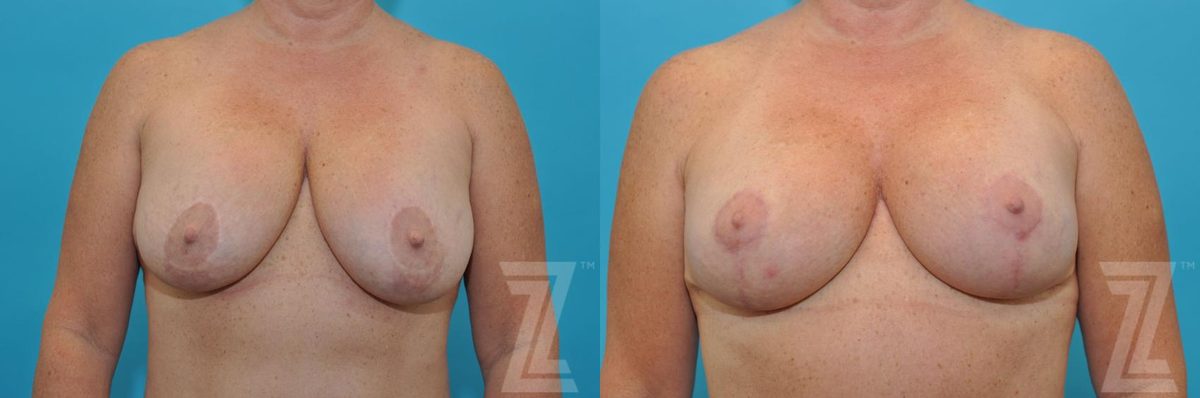
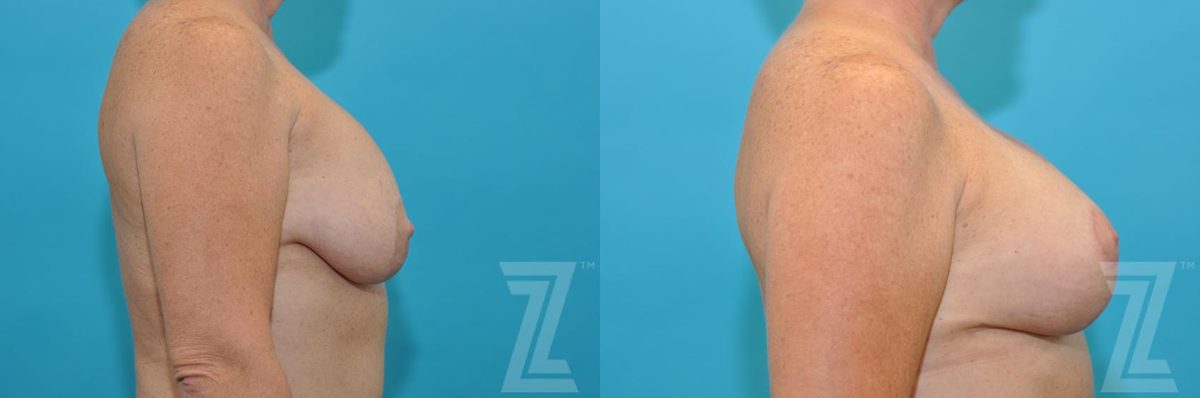
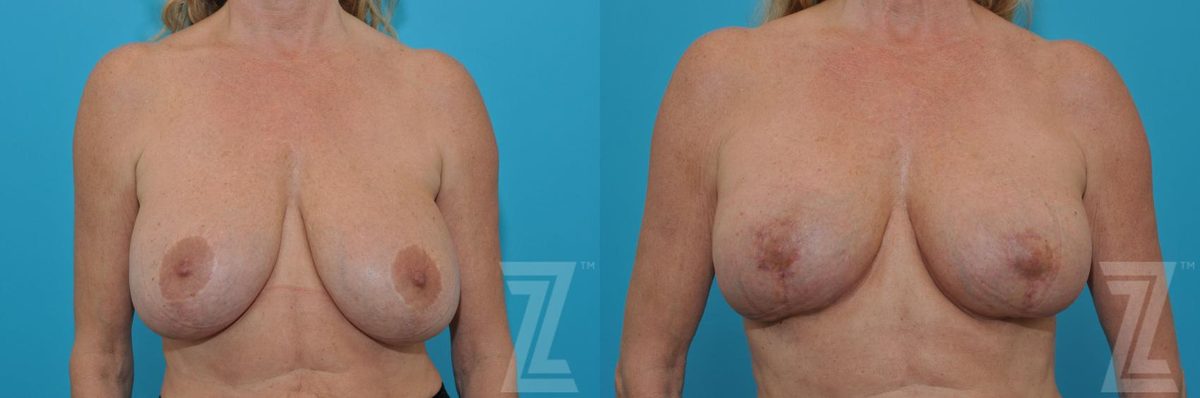
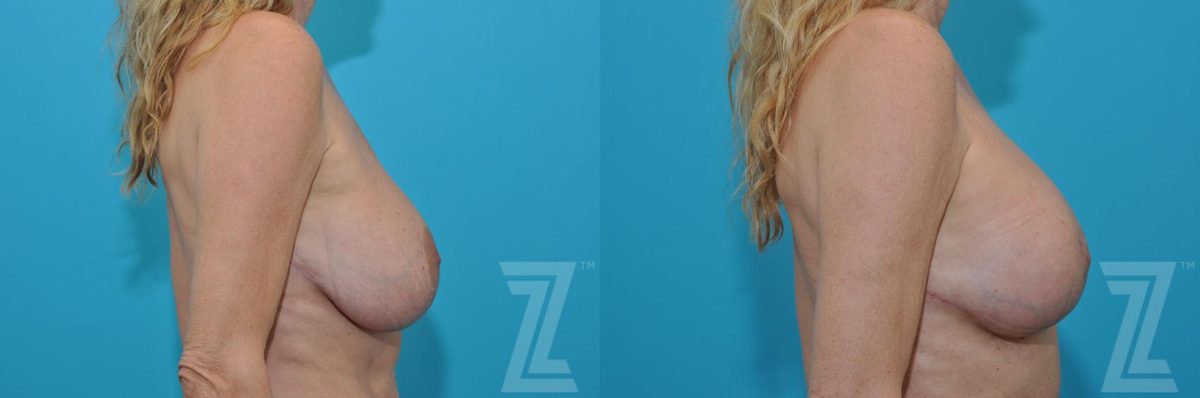
Every photo in our gallery is shown with documented patient consent — see the transformations our patients have achieved before scheduling your own consultation.
Warning:
This gallery contains nudity. Click OK to confirm you are at least 18 years of age and are not offended by this material.
Photos shown with documented patient consent. Individual results vary.
Patient Voices
What Patients Are
Saying on Google.
★★★★★
4.9 · 270 Google Reviews
“I had Motiva Preservé breast augmentation with Dr. Piazza and the results exceeded my expectations. I was terrified to end up with a breast that looked fake like so many others — that never happened.”
“I couldn't be happier with my experience with Dr. Piazza and his team. I came in for a breast augmentation and lift, and not only did Dr. Piazza listen carefully to what I wanted, but he truly understood what I was going for.”
“I've been going to The Piazza Center for years — Dr. Piazza did my breast augmentation and it was, hands down, one of the best decisions I ever made and only wish I had done it years earlier.”
“I couldn't be happier with my decision to choose Dr. Piazza and his team for my breast augmentation. If you are searching for a surgeon, look no further! He is incredible at what he does and he has an incredible team.”
“I just had breast implants replaced and lift and was totally impressed with the high quality patient care from beginning to end. The time Dr. Piazza and staff spend with patients makes you feel safe and comfortable.”
“I had a breast augmentation done by Dr. Piazza; not only do I love my results, but the level of care involved made the whole experience memorable.”
“I had a breast augmentation performed by Dr. Rocco Piazza at The Piazza Center in Austin, TX, and I couldn't be happier with my experience. From the very first consultation, Dr. Piazza was incredibly patient and kind.”
“"Life changing" is simply the best way to describe my experience with Dr. Piazza. He was the first surgeon who confidently and immediately knew the plan to correct issues from a prior procedure elsewhere.”
“I could not be happier with the results from my procedure with Dr. Piazza. I have very high standards, and my expectations were exceeded. The entire process was seamless from consultation to surgery center.”
Continue Exploring
Related Procedures
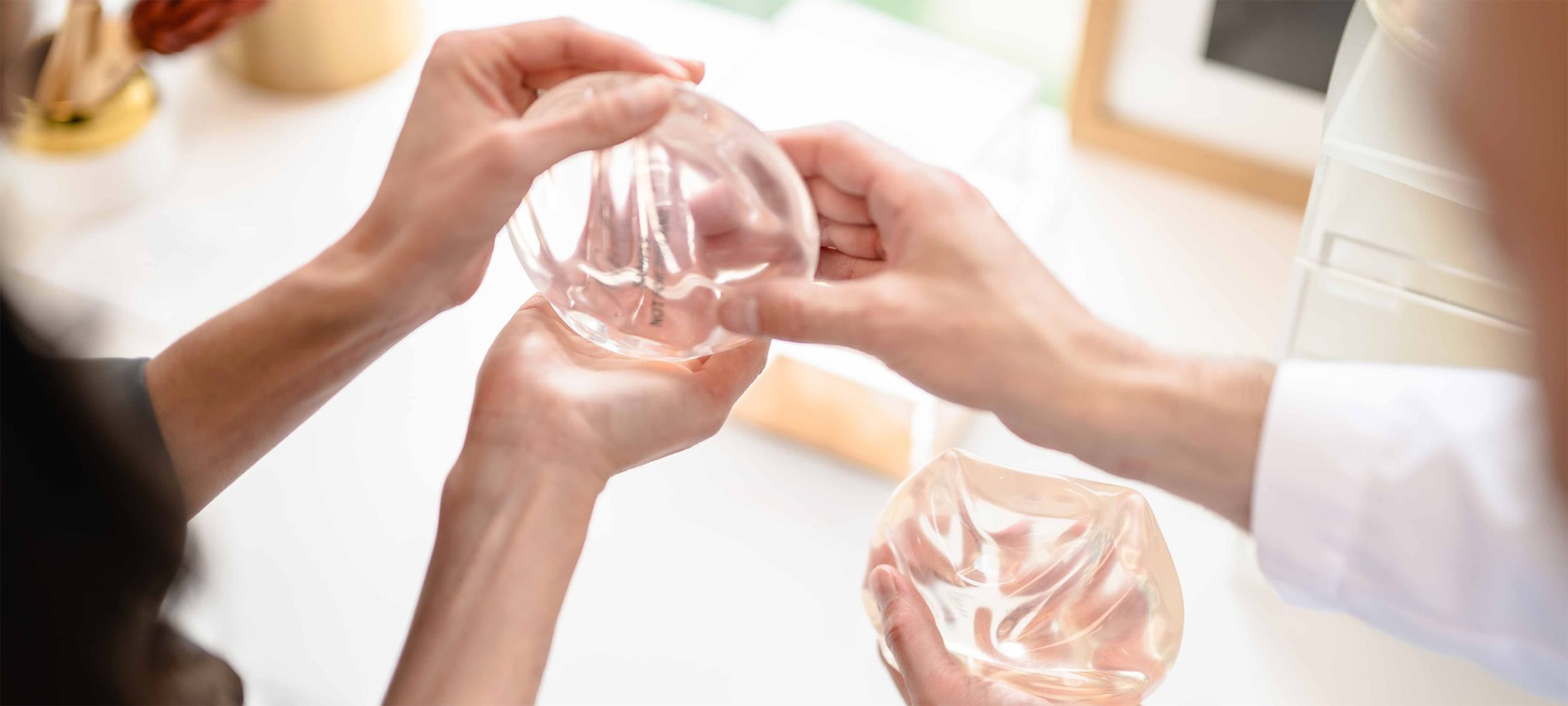
Breast Implant Options in Austin, TX
Learn about your breast implant options in Austin, TX with board-certified plastic surgeon Dr. Piazza. Silicone, saline, size, and shape explained.
Explore →
Breast Tissue Preservation Austin
Breast augmentation is entering a new era, focusing on preservation, comfort, and natural-looking results.
Explore →
Fat Transfer Breast Augmentation in Austin, TX
Natural breast enhancement using your own fat - no implants needed. Fat transfer breast augmentation in Austin delivers subtle, lasting results. Schedule a consultation today.
Explore →
Ready to Get Started?
Schedule Your Consultation
with Dr. Piazza
Every patient deserves individualized care. Meet with Dr. Piazza to discuss your specific goals and develop a plan tailored to you.