


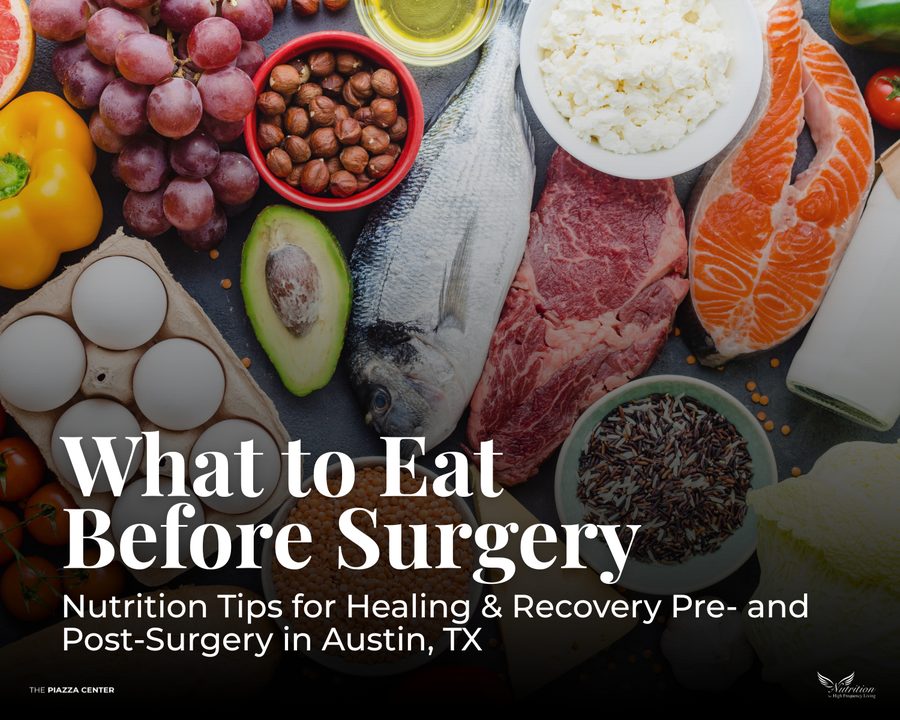
When people prepare for surgery, most of the focus goes toward the procedure itself. Choosing the surgeon, understanding the technique, and planning recovery time. What’s often overlooked is something far quieter, yet just as influential: the body’s nutritional state before surgery ever begins.
The body doesn’t wait until after surgery to start healing. It begins preparing weeks in advance, assessing its reserves, immune strength, and ability to repair tissue. Nutrition plays a central role in that preparation.
Why Preoperative Nutrition Matters More Than Most People Realize
Surgery places a significant demand on the body. The stress response is initiated, immune cells must respond quickly, wounds must close efficiently, and inflammation must be carefully regulated. All of this requires raw materials—proteins, minerals, fats, and hydration.
Even mild or “invisible” nutrient deficiencies can increase the risk of complications such as delayed wound healing, infections, excessive inflammation, or prolonged fatigue. Many people eat regularly yet still lack the nutritional depth needed for optimal recovery, especially if they’ve experienced stress, illness, restrictive dieting, or digestive issues.
Supporting the body before surgery is not about extreme dietary changes. It’s about providing foods that are easy to digest, nutrient-dense, and biologically supportive.
What are the Best Nutrition Tools to Set You up For Success Before and After Surgery?
Bone Broth: Foundational Support for Healing Tissues
Bone broth is often recommended before surgery because it provides nutrients the body uses directly during repair. Slow-simmered bones release collagen, gelatin, glycine, and trace minerals that support connective tissue, joints, skin, and the gut lining.

Glycine, in particular, plays a role in tissue regeneration and immune regulation. Warm liquids like bone broth are also calming to the nervous system, which supports digestion and nutrient absorption—both essential during times of physical stress.
In the weeks leading up to surgery, bone broth can be used as a daily anchor: sipped between meals, used as a base for soups, or paired with cooked vegetables for gentle nourishment.
Cooked Vegetables: Nutrients Without Digestive Stress
Before surgery, the goal is not to challenge the digestive system but to support it. Cooked vegetables—rather than large amounts of raw foods—are often better tolerated and easier for the body to break down.
Steamed greens, roasted root vegetables, and slow-cooked squash provide antioxidants, vitamins, and minerals in a form that is more bioavailable. Cooking softens plant fibers, reducing digestive strain and allowing the body to absorb nutrients more efficiently. Digestive strain can be amplified from post-operative pain medications, so cooked vegetables can help lessen medication-induced constipation, too.
This is especially important when the body is already allocating energy toward immune readiness and tissue repair.
Organic Meats: Protein for Repair and Immune Strength
Adequate protein intake before surgery is critical. Protein provides the amino acids necessary for wound healing, immune cell production, and muscle preservation.

Organic, responsibly sourced meats offer high-quality protein along with iron, zinc, and B vitamins—nutrients that support oxygen delivery, immune defense, and cellular regeneration. Choosing organic options helps reduce exposure to inflammatory residues, allowing the body to focus on healing rather than detoxification.
For many people, increasing protein slightly in the 2–4 weeks before surgery can make a noticeable difference in recovery.
Preparing the Body, Not Just the Schedule
Preoperative nutrition isn’t about perfection or strict rules. It’s about consistency, warmth, and nourishment that support the body’s natural intelligence. Meals that are protein-rich, mineral-dense help the body enter surgery with stronger reserves and greater resilience.
Healing doesn’t begin after the procedure—it begins with how the body is supported beforehand. When the body is well-nourished before surgery, recovery often becomes smoother, faster, and less taxing. The body remembers how it was treated before it was asked to heal.
Alli Suter for Preoperative Nutrition in Austin, TX

For patients preparing for surgery at The Piazza Center in Austin, Texas, Alli Suter Nutrition offers private chef–led, therapeutic meal preparation designed specifically to support healing, tissue repair, and recovery. Meals are prepared in small batches using organic, thoughtfully and locally sourced ingredients.
With an emphasis on protein-rich foods, mineral-dense broths, gently cooked vegetables, and anti-inflammatory fats, each menu is designed to be easily digestible while providing the nutrients the body relies on before and after surgical stress.

This personalized approach to nourishment is the preferred pre- and post-operative meal support recommended by Dr. Piazza, offering patients a seamless way to support their body through surgery with consistency, quality, and care—without the burden of planning, shopping, or cooking during a critical healing window. To work with Alli, click here.
Related Blogs:

Dr. Rocco Piazza II
Board-Certified Plastic Surgeon
Dr. Piazza is a board-certified plastic surgeon practicing in Austin, TX. He specializes in aesthetic and reconstructive surgery with a focus on natural results.