
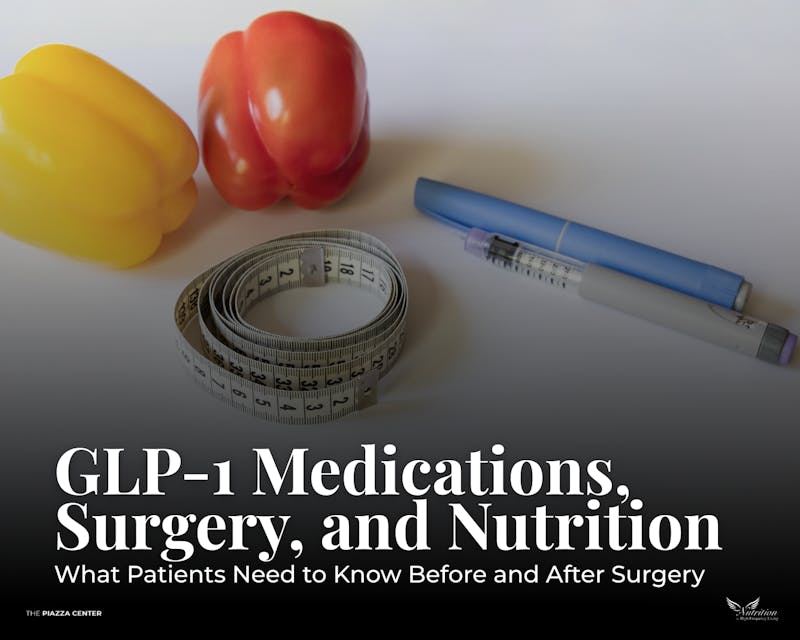
Many patients preparing for surgery today are also using GLP-1 weight loss medications such as Ozempic®, Wegovy®, or Mounjaro®. While these medications can be helpful tools for weight management, we are seeing a growing concern: patients are unintentionally under-eating before and after surgery out of fear of weight gain, and this can directly affect healing and recovery.
Here are the top 6 questions that we get when it comes to these medications and preparation for your surgical journey in plastic surgery.
6 Common GLP-1 Questions Patients Have Before & After Surgery
1. Do I need to stop GLP-1 medications before surgery — and why is this important?
Most patients are advised to pause GLP-1 medications 2 to 4 weeks before surgery due to how these medications slow gastric emptying, which can affect anesthesia safety. Delayed gastric emptying can increase the risk of aspiration, which can result in pneumonia and even death. This decision is always individualized and guided by your surgeon and anesthesia team.
These medications also cause food aversion and undereating. Decreased caloric intake can deplete your body and inhibit your body’s ability to handle surgical stress. Surgical stress and malnutrition increase the likelihood of complications such as delayed recovery and healing.
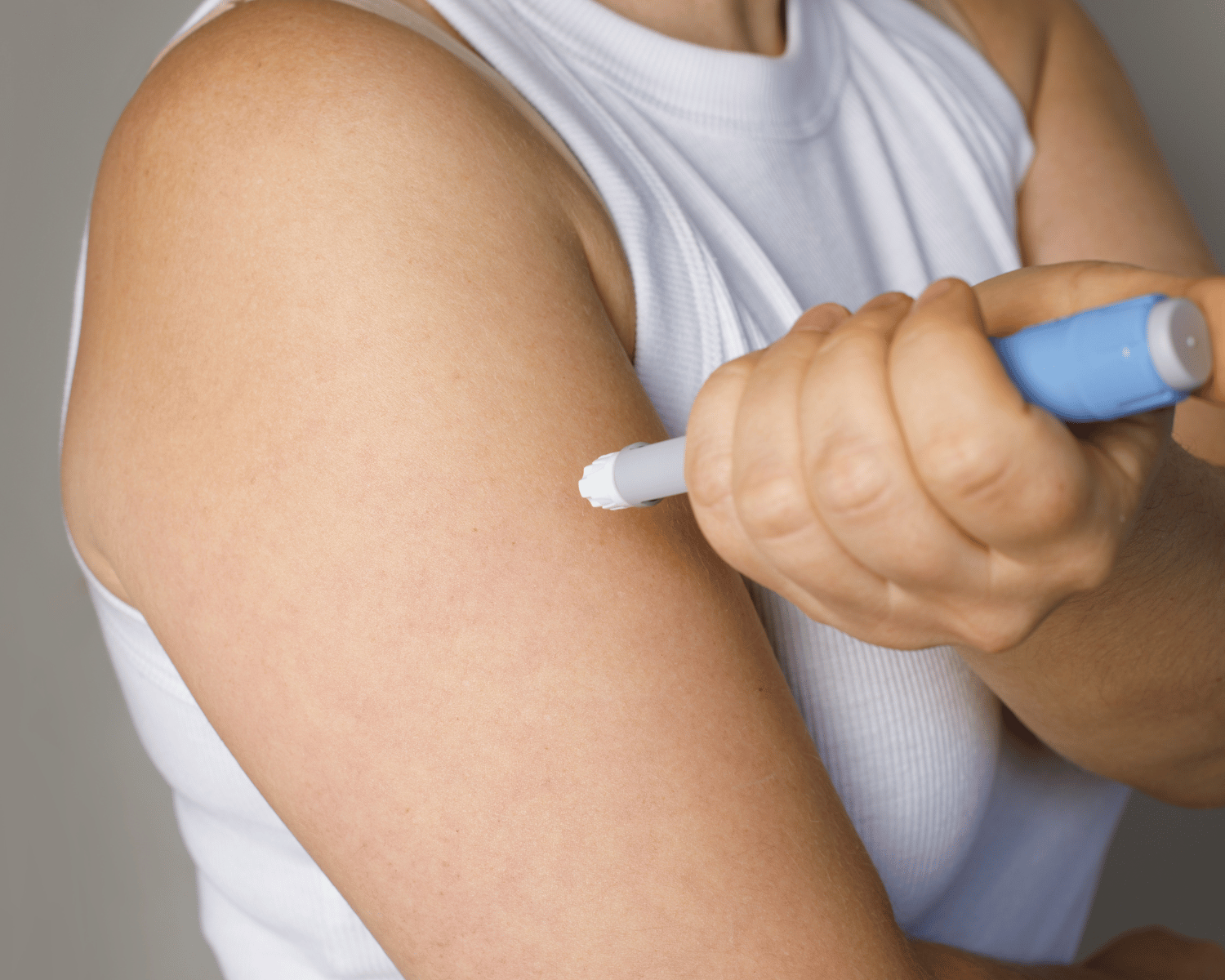
What’s important to understand is that pausing or continuing a GLP-1 does not change the body’s need for nourishment. Reducing food intake further in preparation for surgery can place unnecessary stress on the body at a time when strength and reserves matter most.
Nutrition before surgery supports immune function, wound healing, and overall surgical outcomes, regardless of GLP-1 use. It is important to provide your body with mineral-rich, protein-dense foods in preparation for surgery. The body needs to be strong and ready to repair both before and after surgery. It takes energy to heal swiftly and properly.
2. Can being on a GLP-1 increase surgical risks if I’m not eating enough beforehand?
Yes — not because of the medication itself, but because undernutrition is a real and often overlooked risk factor. Patients with low-calorie and protein intake going into surgery may experience:
- slower wound healing also known as delayed wound healing or dehiscence
- increased inflammation or swelling
- higher risk of infection
- greater loss of lean muscle
GLP-1 medications suppress appetite, which can make it easy to slip into a nutritional deficit without realizing it. Surgery is not the time for the body to be under-fueled. There are many ways to fuel the body with nutrient-rich foods that will not cause weight gain. Consuming high-protein meals that have been sourced from the local farmers' market is ideal. When meats and vegetables have been cared for, their nutrient content is higher.
3. Will eating more before surgery cause weight gain?
This is one of the most common fears we hear and one of the most misunderstood ideas. Eating too little before surgery does not protect against post-operative weight gain. In fact, restriction can increase stress hormones, slow metabolism, and make recovery more difficult. The body often responds to deprivation by holding on more tightly to energy after surgery.
The goal is not to eat more, it is to eat adequately and intentionally to support healing and metabolic stability. Working with a nutritionist or chef who can create meals that are nutrient-dense and taste really good can be very helpful during this recovery time.
4. Why is protein especially important before surgery for patients on GLP-1 medications?
Patients on GLP-1 medications are at higher risk of muscle loss if protein intake is too low. Protein plays a critical role in:
- tissue repair and wound healing
- collagen production
- immune resilience
- preserving lean muscle mass
Adequate protein before surgery helps protect surgical investment, allows your body to heal, support recovery, and maintain strength — without contributing to unwanted fat gain.
Protein is not a risk factor. It is a protective factor.
5. What should I eat before surgery if my appetite is low due to GLP-1 medications?
When appetite is reduced, nutrient density becomes more important than portion size. Many patients tolerate and benefit from:
- bone broth and mineral-rich soups
- softly cooked vegetables that are easy to digest
- high-quality proteins such as organic poultry, fish, eggs, or slow-cooked meats
- healthy fats in modest amounts to support healing
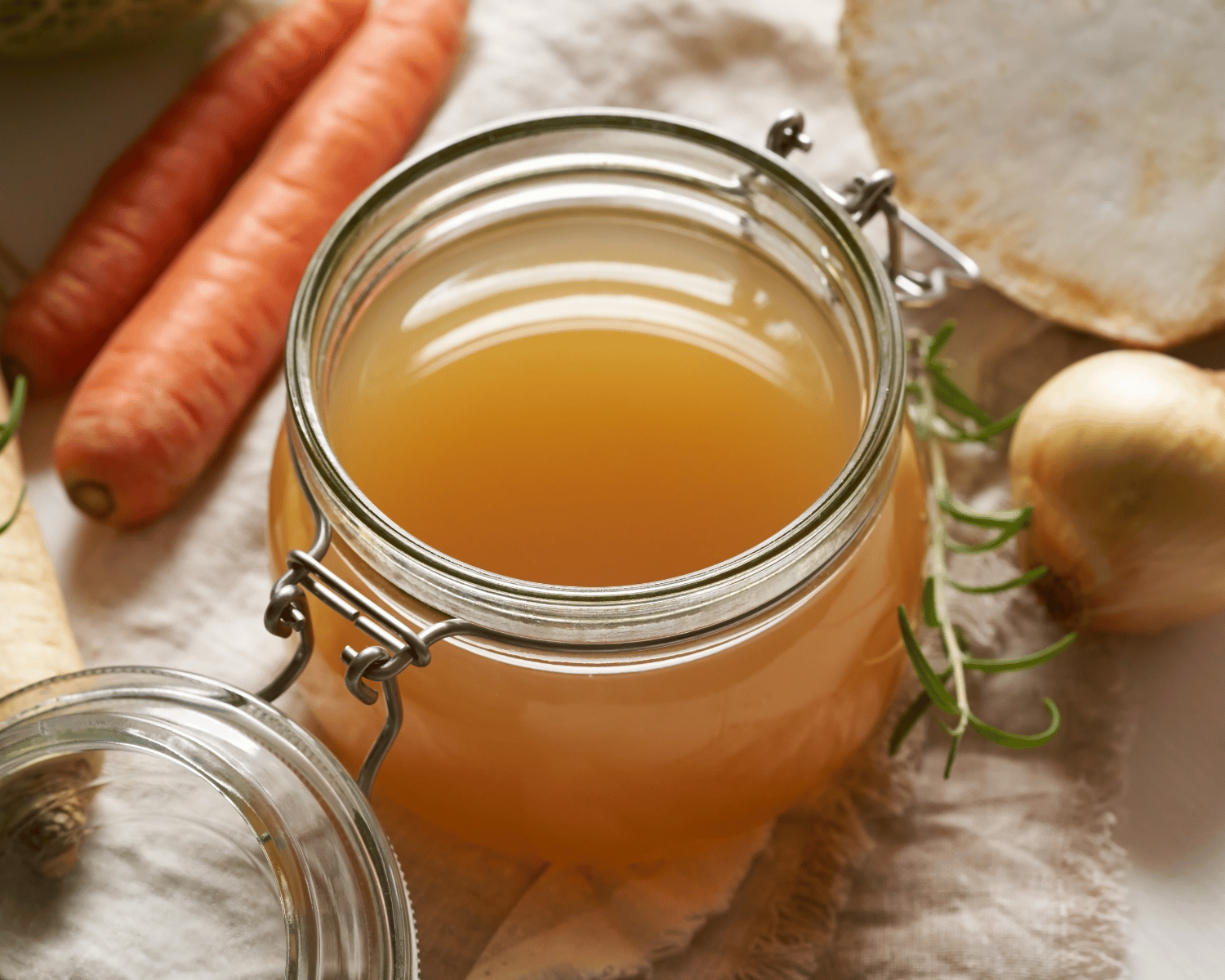
These foods provide nourishment without overwhelming digestion and can often be consumed even when appetite is limited. You also want foods that are intentional in nature. Whole Foods that are healthy, good tasting and feel good in the body are best for you. Avoiding take-out foods will help eliminate hidden sugars and oils that are often used to save money and time.
6. How soon after surgery should I eat, and will eating affect my weight or results?
Nutrient-dense foods and consuming extra bone broth post-surgery are essential. Fueling your body with good nutrition supports:
- reduced inflammation
- improved wound healing
- steadier energy preservation of lean tissue
Proper post-operative nutrition does not cause weight gain. It supports recovery. In many cases, patients who nourish well recover more smoothly and return to balance more efficiently. Healing requires fuel.
A Shared Perspective on Healing: A Plastic Surgeon + Nutritionist
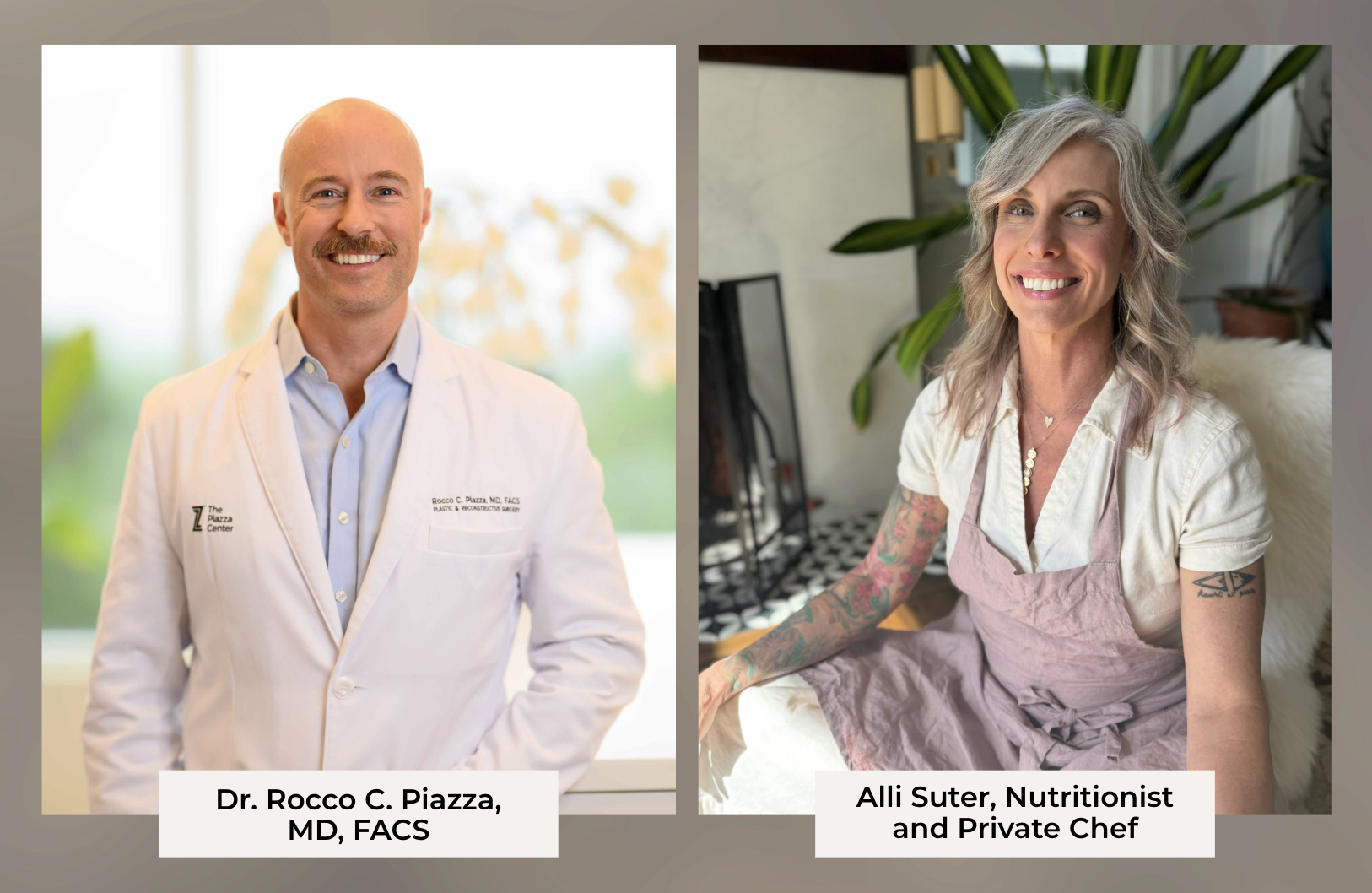
Dr. Rocco Piazza is a board-certified plastic surgeon, and Alli Suter is a nutrition professional and private chef. Together, we see a recurring pattern among patients using GLP-1 medications as they prepare for surgery: many attempt to protect their results by restricting food intake, when in reality, proper nourishment is one of the most powerful tools for healing and recovery.
From a surgical perspective, adequate nutrition supports immune function, tissue repair, and the body’s ability to tolerate surgical stress. From a nutritional standpoint, intentional fueling before surgery helps preserve lean muscle, stabilize metabolism, and prepare the body for the demands of healing — especially for patients experiencing appetite suppression on GLP-1 medications.
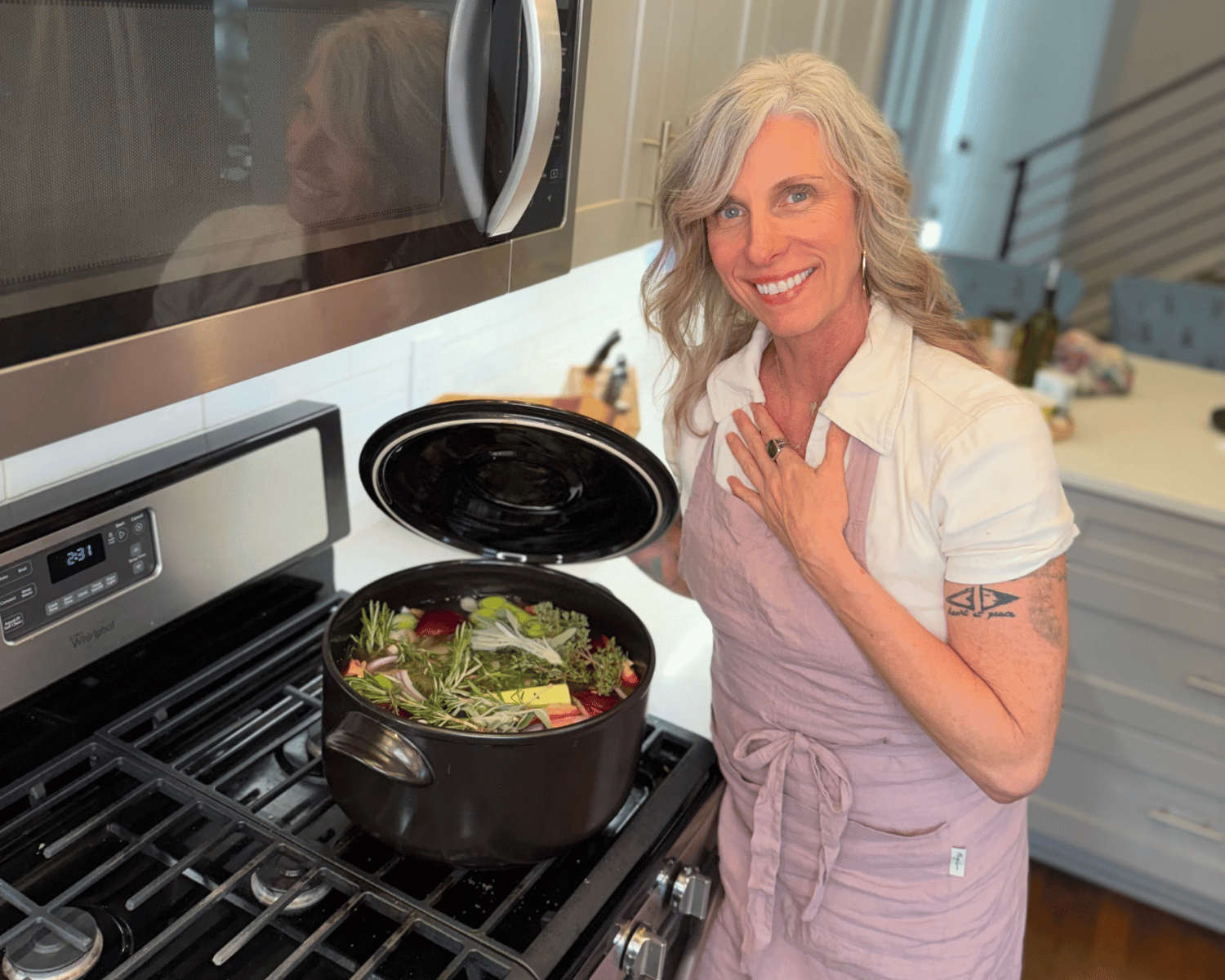
To support this critical phase, Alli offers private chef–designed pre-operative nutrition plans tailored specifically for surgical patients. These plans focus on protein-dense, nutrient-rich meals that are easy to digest, enjoyable to eat, and designed to support healing, without contributing to unwanted weight gain. For patients who struggle with appetite or food aversion, having meals thoughtfully prepared removes stress and ensures consistent nourishment during a time when the body needs it most.
Surgery is not just a procedure. It is a physiological journey, and the body begins preparing long before the day of surgery itself. Learn more about Alli's nutrition plans here.
Related Blog Posts: