


Expertly Written By
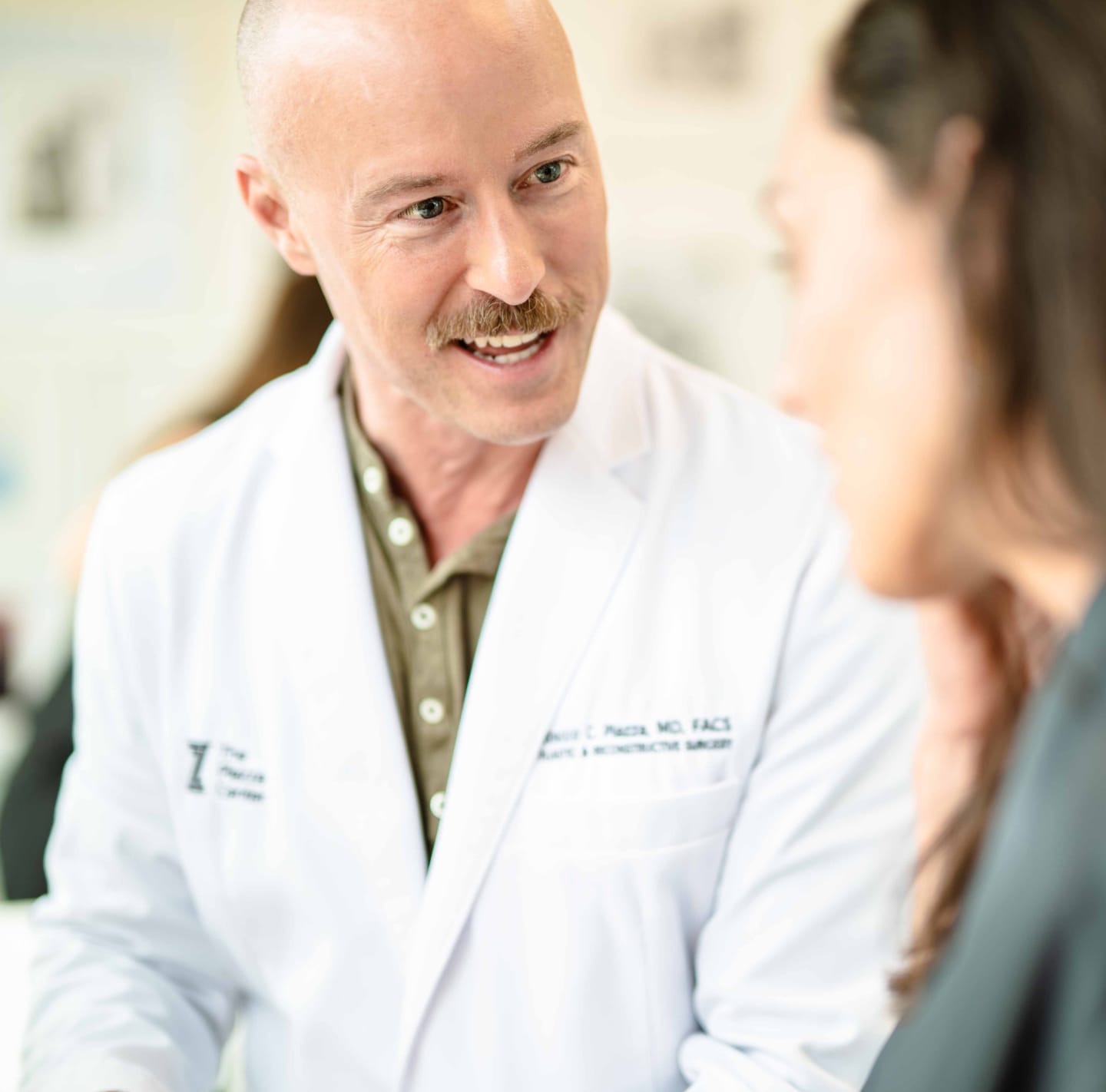
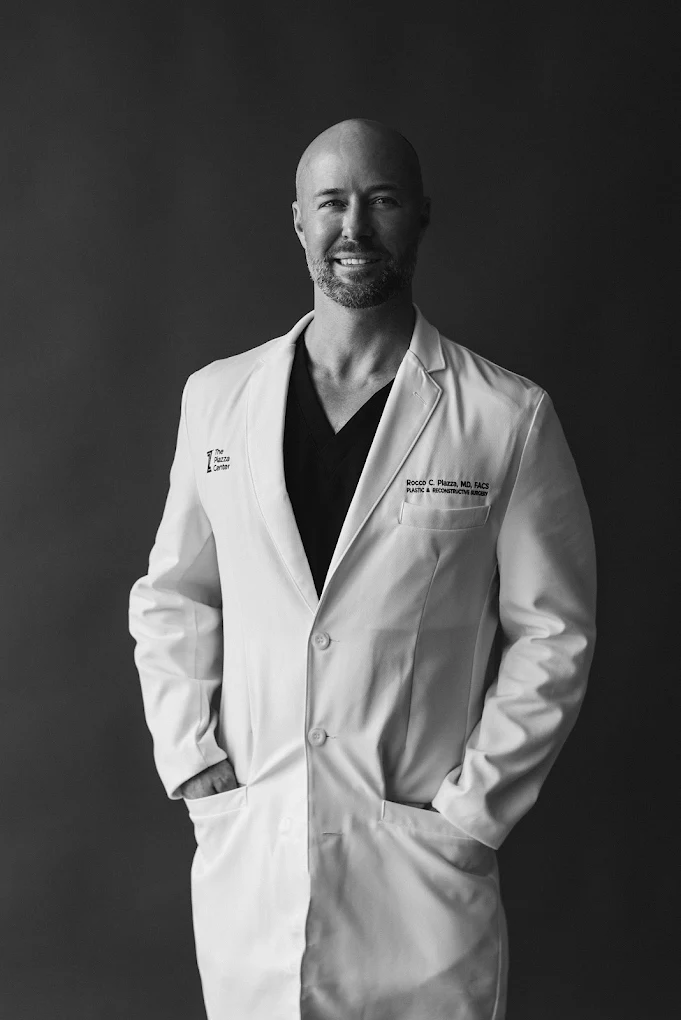
Dr. Rocco Piazza, MD, FACS
Board-Certified Plastic Surgeon practicing in Austin, Texas, and the physician who selects every product on our skincare shelf.
At a Glance
What exosomes are: Tiny vesicles cells release to carry proteins and signals to other cells
Common human sources: Stem cells from bone marrow, fat or umbilical cord tissue; skin fibroblasts; platelets
Non-human sources: Plants such as cica and rose, milk, seaweed, bacteria
What is in the bottle: Vesicles collected from cells grown in a lab — not the cells themselves
What to ask a brand: Which source, how donors consented, how they were screened
Why This Matters: "Stem cell" and "umbilical cord" on a skincare label raise real questions, and patients deserve real answers rather than vague reassurance. The source determines what the exosomes carry, how they must be screened, and whether a product is worth trusting. Individual results vary.
When I explain exosome serums to patients, the next question is almost always some form of "wait, where do they come from?" Sometimes it is curiosity. Sometimes it is discomfort — someone has read "umbilical cord" on a label, or seen a video implying exosomes come from babies, and wants to know what they are putting on their face.
That is a fair thing to ask, and the answer is less strange than the internet makes it sound. Most exosomes used in aesthetics come from human cells grown in a laboratory from consented, screened donors, or from plants. What reaches your skin is not tissue and not living cells, but tiny particles those cells released.
Key Takeaways
- Skincare exosomes come from cells grown in a lab — most often stem cells from bone marrow, fat or umbilical cord tissue, skin fibroblasts, or plants.
- Umbilical cord tissue is donated after a healthy birth, with the parent's written consent and infectious disease screening. It is not taken from the baby.
- "Derived from" means the vesicles were collected from those cells. There are no cells in the bottle.

Where Do Exosomes Come From?
Exosomes in skincare come from cells grown in a laboratory. The most common human sources are mesenchymal stem cells from bone marrow, fat (adipose) tissue and umbilical cord tissue (Wharton's jelly), along with skin fibroblasts and platelets. Plant-derived vesicles, from sources such as cica and rose, are used mostly in retail serums. In each case the cells release vesicles into the fluid they grow in, and that fluid is processed to collect them.
A 2023 review in Plastic and Reconstructive Surgery Global Open lists bone marrow, placental, adipose and umbilical cord tissue as the main sources in aesthetic products. A 2026 Aesthetic Surgery Journal review of human trials adds fibroblasts, platelets, rose stem cells, bovine milk and seaweed.
The Exosome Source Map
Human · Stem cell
Bone marrow
Mesenchymal stem cells from adult donors. One of the earliest and best-studied sources.
Human · Stem cell
Adipose (fat)
Stem cells from donated fat tissue. Used in several of the human skin trials.
Human · Stem cell
Umbilical cord / Wharton's jelly
Stem cells from the cord's connective tissue, donated after a healthy birth with consent.
Human · Skin cell
Fibroblasts
The cells in the dermis that make collagen. Their vesicles carry skin-specific signals.
Human · Blood
Platelets
Human platelet extract. Related in concept to PRP, processed differently.
Plant
Cica, rose, others
"Exosome-like" vesicles. Common in drugstore serums. Mostly lab evidence so far.
Animal & marine
Bovine milk, seaweed
Appear in a small number of published skin studies.
Bacterial
Probiotic bacteria
Vesicles from strains like Lactobacillus. Early lab and skin-sample research.
Sources: PRS Global Open 2023, Aesthetic Surgery Journal 2026, JCAD 2026, Clin Cosmet Investig Dermatol 2025.
Two of those deserve a little more detail. Plant vesicles are not the same particles as human ones; many researchers call them "exosome-like", and we compare them directly in do drugstore exosome serums work. Bacterial vesicles are at an earlier stage still: a 2025 study found vesicles from a Lactobacillus brevis strain raised barrier proteins in damaged human skin samples in the lab, which is interesting but is not a trial on people.
Are Exosomes From Babies?
No. This is the question I hear most, and it is usually based on a misunderstanding of the words "umbilical cord".
Umbilical cord stem cells come from the cord tissue, specifically a jelly-like connective tissue called Wharton's jelly. It is collected after the baby has been delivered, with the parent's written consent. Nothing is taken from the baby's body, and it has nothing to do with fetal tissue from pregnancy loss or termination.
A Mayo Clinic program collecting perinatal tissue for biotherapeutic manufacturing gives a good picture of how this is done properly. Donors are adults with a healthy pregnancy and a planned cesarean, who give written informed consent and must meet the federal tissue-donor eligibility rules in 21 CFR 1271. They complete a health history, are tested for infections including HIV, hepatitis B and C and syphilis, and are excluded at delivery for reasons such as a birth before 37 weeks, a low Apgar score or a suspected infection.
Myth
"Umbilical cord exosomes come from babies."
"Stem cell skincare puts stem cells on your skin."
"Salmon exosomes are in salmon facials."
"Human-derived means unregulated tissue."
Fact
Cord tissue is donated after a healthy birth, with written consent and screening.
The cells stay in the lab. Only the vesicles they release are collected.
Salmon facials use PDRN, fragments of fish DNA. It is not an exosome.
Responsible tissue programs follow federal donor-eligibility rules, and topical exosome products are regulated as cosmetics.
Sources: Mayo Clinic, J Skin Stem Cell 2025 (PDRN), FDA.
What "Derived From" Actually Means
"Stem cell skincare" is one of the more misleading phrases in the industry, because it suggests living stem cells in a jar. That is not how it works. Donated cells are grown in culture, they release vesicles into the surrounding fluid, and that fluid is filtered and processed to collect the vesicles. The cells are left behind.
From Donation to Bottle
General process as described by the Mayo Clinic perinatal tissue program (steps 1–2) and the ISEV MISEV2023 guidelines (steps 4–5). Individual manufacturers' methods vary.
Testing is where good and bad manufacturers part ways. The International Society for Extracellular Vesicles publishes minimum standards (MISEV2023) for isolating and characterising vesicles, and its general term for them is "extracellular vesicles", since confirming a particle is a true exosome takes careful work. Not every skincare brand follows those standards, which is why the source and the paperwork matter. For how exosomes compare with the growth-factor serums before them, see exosomes vs growth factors.
What About Salmon?
"Salmon exosomes" is a mix-up of two trends. The salmon facial uses PDRN (polydeoxyribonucleotide), fragments of DNA extracted from salmon or trout sperm. A 2025 review in the Journal of Skin and Stem Cell described promising uses in wound healing and skin ageing while calling for larger trials. It is a reasonable ingredient in its own right, but it is DNA, not a vesicle. We compare the two treatments in microneedling with exosomes vs the salmon DNA facial.
The Ethics Questions Worth Asking
Using donated human material in a cosmetic is a fair thing to have feelings about. I think the useful questions are concrete ones:
- Was the donor's consent documented? A responsible manufacturer can say yes and explain how.
- Was the donor screened? The FDA's 2026 warning letter to a company selling a Wharton's jelly-derived "Exosome Therapy" is a reminder that not everyone in this market follows the rules.
- Is the product used as intended? A topical cosmetic from a documented source is a very different proposition from an unapproved injection. There are no FDA-approved exosome products, and we cover the regulatory side in are exosomes FDA approved, safe or legal.
If those answers are solid and you are still uncomfortable with human-derived ingredients, plant-based products are a legitimate choice. Just know they are a different ingredient with a thinner evidence base.
"Patients have every right to ask where an ingredient came from, and a brand should be able to answer without hesitating. When the source is consented, screened and documented, I am comfortable recommending it for use on the skin. When a company cannot tell me, I do not stock it." — Dr. Rocco Piazza, MD, FACS
Video: Dr. Rocco Piazza (@roccopiazzamd) on why evidence-based choices compound.
Where INVO's Exosomes Come From
INVO states its exosomes come from three human cell sources: fibroblasts, umbilical cord and bone marrow. INVO also states its Rejuvenating Complex contains more than 1.2 trillion exosomes and over 1,200 growth factors, proteins and peptides, with a vitamin C and peptide complex built in. It is sold through physicians, and Dr. Melanie Palm, a board-certified dermatologist in Solana Beach, sits on its medical advisory board.

In our practice it is used topically: in the clinic right after microneedling, and at home morning and night on clean skin, before moisturiser and before a retinoid at night. Give it eight weeks. It will not replace sunscreen, a retinoid or a procedure, and it does not change the structure of lax skin. Our full review is here.

What We Stock
- INVO Rejuvenating Complex Exosome Serum, 30 mL — $285, about $9.50 per mL. Human cell-derived exosomes for daily use and post-microneedling care.
- EXO EYE — NAD+, eXo3 exosomes and peptides for the eye area.
- EXO PLUS — an exosome cream for those who prefer a richer texture.
Exosome Sources: Common Questions
Where do exosomes in skincare come from?
From cells grown in a lab. Human sources include stem cells from bone marrow, fat and umbilical cord tissue, skin fibroblasts and platelets. Retail serums often use plant-derived vesicles instead.
Are umbilical cord exosomes from babies?
No. They come from cells grown from umbilical cord tissue donated after a healthy birth, with the parent's written consent and donor screening. Nothing is taken from the baby.
Do exosome serums contain stem cells?
No. The cells stay in the lab. A serum contains the vesicles those cells released, which are far smaller than a cell and are not alive.
Are exosomes ethical?
When donors give documented consent and are screened to federal tissue-donor standards, many people find the sourcing acceptable. If you prefer to avoid human-derived ingredients, plant-based exosome products are an alternative with a thinner evidence base.
Are salmon exosomes real?
The salmon facial uses PDRN, fragments of fish DNA, not exosomes. Both appear in post-microneedling care, but they are different ingredients.
Which source of exosomes is best for skin?
There are no head-to-head studies that settle this. The more important questions are whether the source is documented, the donors screened and the product made to a consistent standard. Individual results vary.
Where do INVO's exosomes come from?
INVO states its sources are fibroblast, umbilical cord and bone marrow cells. It is sold through physicians, and we use it topically.
Individual results vary. The products discussed are cosmetic products and are not intended to diagnose, treat, cure or prevent any disease. No exosome product is FDA approved. Manufacturer figures and sourcing descriptions are as stated by the manufacturer. Cited studies are linked to their published sources. This article is for educational purposes and does not constitute medical advice; speak with a qualified physician about what is appropriate for your skin.
Have Questions About What Goes On Your Skin?
Dr. Rocco Piazza and our Austin skin team are happy to walk you through any ingredient on our shelf — where it comes from, what it can do, and whether it suits you.
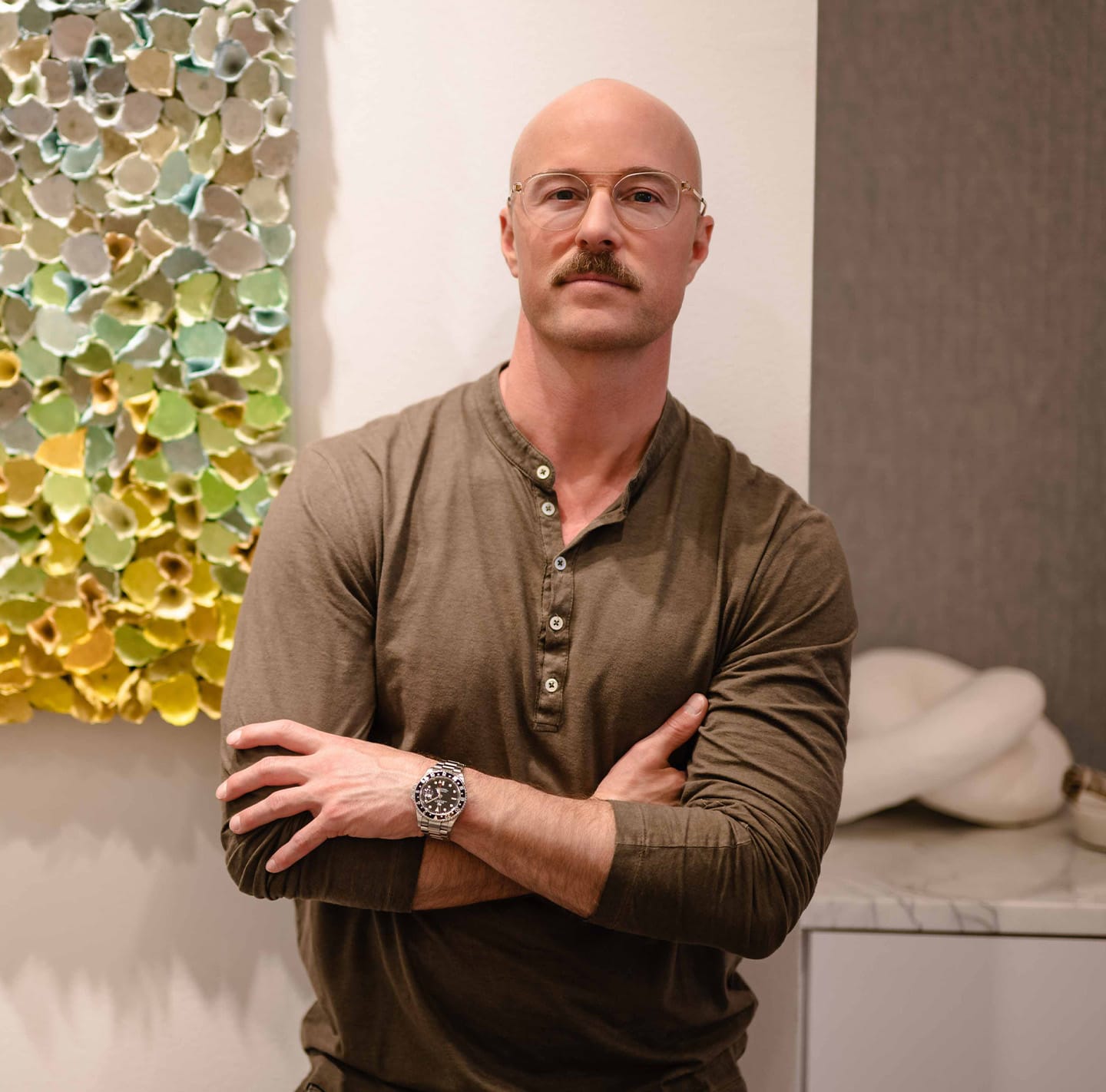
Dr. Rocco Piazza II
Board-Certified Plastic Surgeon
Dr. Piazza is a board-certified plastic surgeon practicing in Austin, TX. He specializes in aesthetic and reconstructive surgery with a focus on natural results.