


Patients considering a breast lift often ask the same question we hear before breast augmentation: what will the scar look like, and will it fade? The honest answer depends on which incision approach fits your anatomy — and whether the lift is done on its own or combined with an implant or fat transfer.
Which breast lift incision is actually better?
The Two Incision Approaches We Use
There isn't one universal "best" breast lift incision — the right approach depends on how much lift is needed. Dr. Piazza works with two techniques:
- Vertical short-scar lift: used for most patients, this approach reshapes breast tissue, repositions the nipple, and removes sagging skin through a shorter incision that minimizes visible scarring.
- Circular (areola) incision lift: for patients who need a more modest correction, the incision is placed entirely around the areola's natural border, where it blends into the transition in skin tone.
In both approaches, sutures are placed under the skin rather than on the surface — so there's no suture removal appointment, and one less step in your recovery to manage.
Lift Alone, or Lift Plus Volume?
A breast lift on its own restores position and shape but doesn't add volume. Many patients choose to combine their lift with a breast implant or fat transfer in the same operation — a single surgery and a single recovery, rather than two separate procedures months apart. Patients who want only a subtle boost often choose fat transfer instead of an implant.
Can you lift sagging breasts without going bigger?
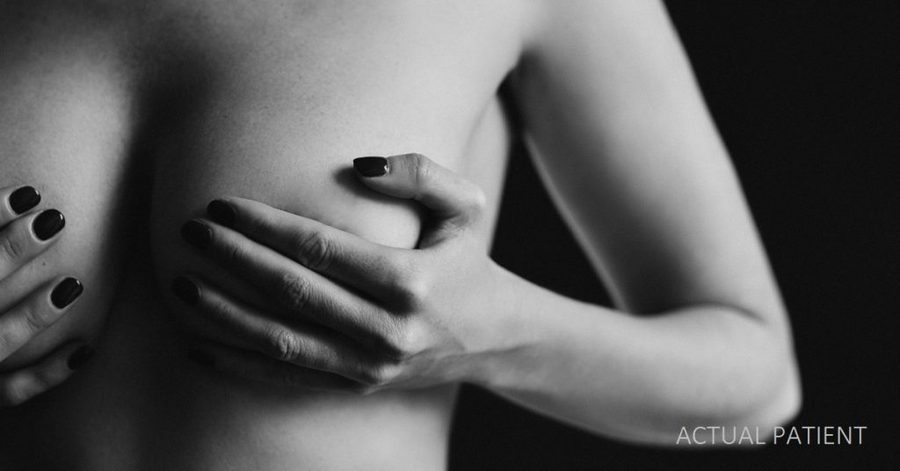
That's exactly the case shown above: a 60-year-old patient who wanted restoration, not a bigger size, and got there with a short-scar lift plus a 150cc implant. You can see the full result in our Motiva Preservé™ case study.
What Healing Actually Looks Like
Most of the visible bruising resolves within about 2 weeks, and any change in nipple sensation is typically temporary, resolving in about 6 to 8 weeks. By 6 weeks, patients are roughly 80% healed and back to full activity; by 3 months, results have settled into their final shape.
Scar care follows the same protocol we use after any incision: silicone gel to keep the scar hydrated and flat, then a silicone gel with SPF once the scar starts to mature and lose its pink color, typically around the 12-week mark. See our full post-surgical scar protocol for the complete regimen, including how long to continue it.
Curious whether a lift alone, or a lift combined with an implant or fat transfer, fits your goals? Visit our photo gallery to see real results, or request a consultation online to talk through your options. You can also reach us at (512) 288-8200.
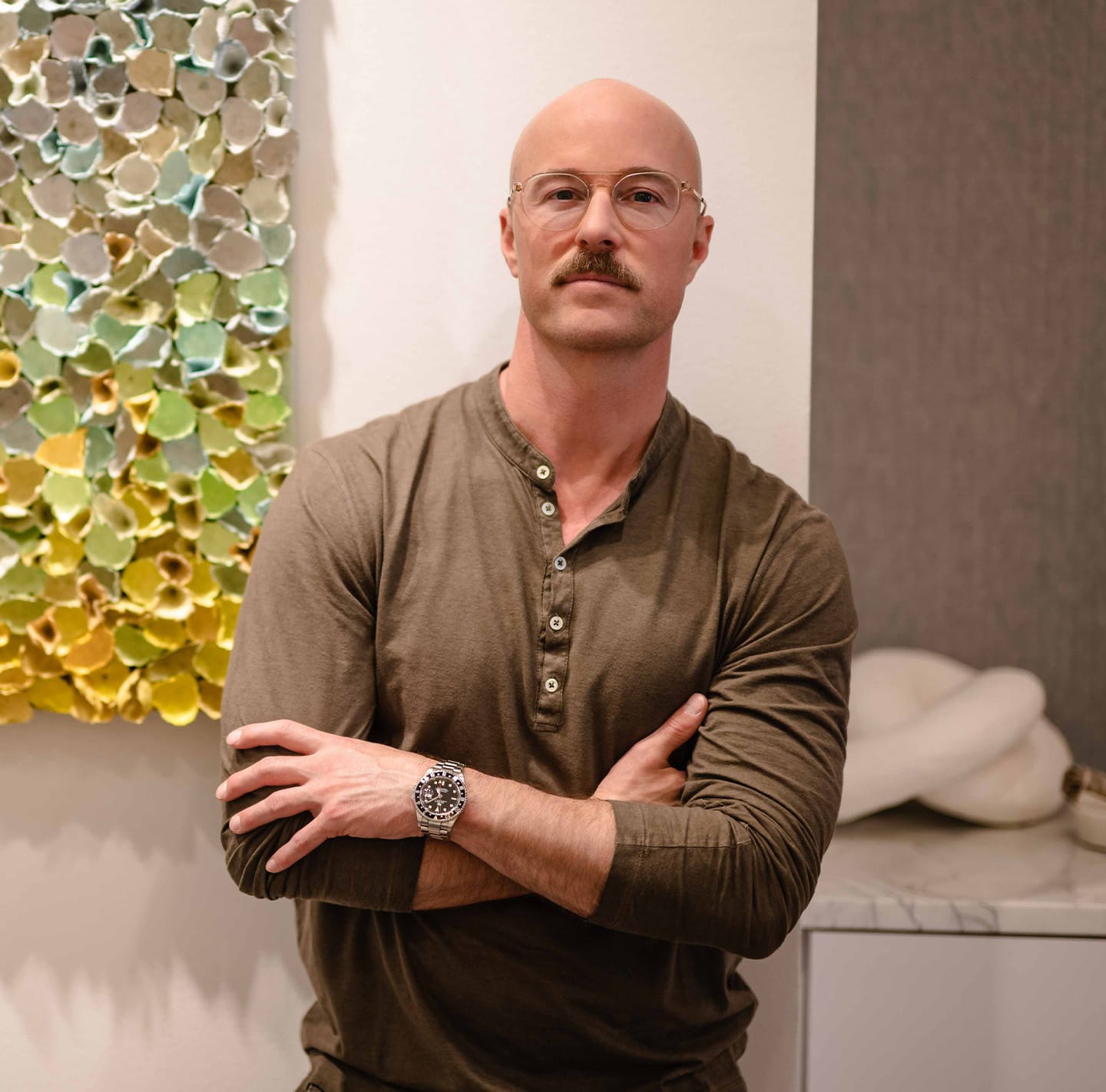
Dr. Rocco Piazza II
Board-Certified Plastic Surgeon
Dr. Piazza is a board-certified plastic surgeon practicing in Austin, TX. He specializes in aesthetic and reconstructive surgery with a focus on natural results.