

Breast
Motiva Preservé® Breast Augmentation in Austin
Breast augmentation is entering a new era, focusing on preservation, comfort, and natural-looking results.
Recovery Time
Discussed at consultation
Surgeon
Dr. Rocco Piazza II, ABPS
Location
Austin, TX
Financing
Cherry, CareCredit & PatientFi →Overview
Motiva Preservé® Breast Augmentation in Austin
Dr. Rocco Piazza is one of only 36 board-certified plastic surgeons in the United States invited to train directly with Motiva at their headquarters in Costa Rica in the Preservé tissue-preservation technique — and was selected by Motiva to help pilot the technology in the U.S. Preservé is a breast augmentation approach built around a simple idea: preservation over disruption. Rather than cutting through muscle and cauterizing tissue, Dr. Piazza separates tissue gently along its natural planes, leaving nerves, ligaments, and muscle function intact.
If you've researched breast augmentation in Austin, you've likely seen the term "Motiva Preservé" on more than one practice's website. Motiva credentials a limited number of surgeons in any given market to perform this specific technique, and Dr. Piazza is one of five currently credentialed in Austin. What follows is a detailed look at how the technique actually works, what it preserves, what the published outcomes data shows, and what to expect if you decide to move forward — not just a summary of why to choose it.
What Is Motiva Preservé?
Motiva Preservé is a tissue-preserving breast augmentation technique that places the implant above the muscle, within the posterior lamellar space, using instruments designed to separate tissue rather than cut it — protecting nerves, ligaments, and muscle integrity for a more comfortable recovery and a more natural result.
Preservation over disruption.
Other Austin practices describe versions of this technique with lines like "the nest is created, not cut." Dr. Piazza has been describing the same underlying philosophy in his own words for longer: preservation over disruption. Every step of the Preservé technique, from the first incision to implant placement, is built around that idea rather than around it being an afterthought layered onto a conventional procedure.
- 1
3D planning and measurement. Dr. Piazza maps your anatomy before the first incision, matching implant selection and pocket design to your body.
- 2
A small, hidden incision. Typically 2.5–3.5 cm, placed in the breast fold.
- 3
Hydrodissection. A specialized solution manages bleeding, replacing the cautery (heat) traditionally used to control it.
- 4
The Motiva Channel Separator creates space for the implant by separating tissue along its natural planes — not cutting through it.
- 5
The Motiva Inflatable Balloon shapes a pocket precisely matched to your implant, so tissue is expanded gently rather than stretched or torn.
- 6
Funnel-assisted, no-touch insertion. The implant is placed without direct hand contact, minimizing contamination risk.
- 7
Prepectoral placement. The implant rests above the muscle — the pectoralis is never cut, which is the single biggest departure from how most breast augmentation has traditionally been performed.
The funnel-assisted, no-touch insertion step matters more than it might sound like it does. Reducing direct hand contact with the implant during placement is a widely recognized way to lower the risk of bacterial contamination at the surgical site, which is one of the contributing factors in capsular contracture — the hardening and distortion that can occur around an implant over time. Combined with hydrodissection instead of cautery, the goal at every step is the same: work with the body's tissue planes instead of against them.
Why Choose Tissue Preservation
The benefits of
preservation over disruption.
By protecting healthy tissue, nerves, ligaments, and muscle function instead of cutting through them, Motiva Preservé is designed to deliver a more comfortable recovery and a more natural-looking, natural-feeling result.
- 01
Reduced Inflammation
The gentle, tissue-preserving technique and avoidance of cautery help minimize surgical trauma and support a smoother healing process.
- 02
Low-Inflammatory Implants
Motiva SmoothSilk® implants are engineered to integrate seamlessly with surrounding tissue, supporting a balanced inflammatory response.
- 03
Above-the-Muscle Comfort
Placement in the posterior lamellar space enables immediate arm mobility, less tightness, and enhanced comfort — especially for active patients.
- 04
Smarter Recovery
Most patients return to work within approximately three days, often without the need for prescription pain medication.
- 05
Natural Movement & Feel
Preserved tissue structures allow the implant to move harmoniously with your body rather than sitting rigidly beneath flexed muscle.
- 06
Long-Term Stability
Protecting healthy tissue, nerves, and ligaments is designed to support durable results and long-term satisfaction.
Above the Muscle
Why placement changes everything.
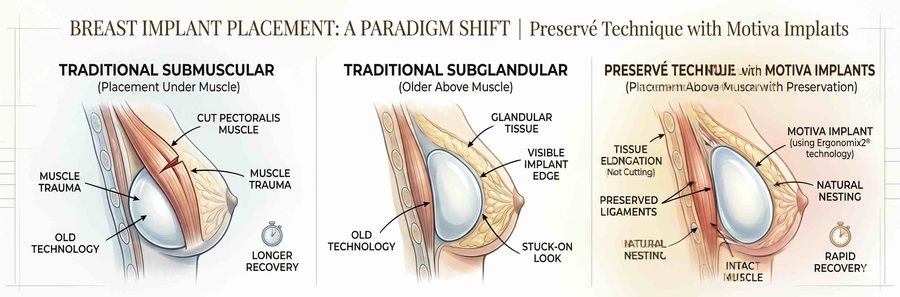
Implant placement is arguably the single decision that shapes everything else about your breast augmentation experience — the recovery, the movement, the long-term feel — more than implant brand or size. Traditional submuscular placement cuts the pectoralis muscle to tuck the implant beneath it, which is why that approach has historically been associated with more post-operative pain and a longer return to normal arm and chest strength. Traditional subglandular placement sits above the muscle but can leave a visible or palpable implant edge, especially in patients with thinner natural tissue coverage.
Preservé places the implant above the muscle, within the posterior lamellar space — a distinct anatomical plane between the breast tissue and the muscle that supports the implant without disturbing muscle function. The pectoralis is left completely intact, which is why patients report faster return of arm mobility and no animation deformity, the visible distortion or shifting that can occur with submuscular implants when the chest muscle flexes during exercise or daily movement. For patients who lift weights, do yoga, swim, or simply want to raise their arms overhead without discomfort in the weeks after surgery, this distinction is often the deciding factor in choosing a technique. Read Dr. Piazza's full explanation of above-the-muscle placement →
Four things left untouched.
Most breast augmentation marketing focuses on what a technique adds. It's worth spending equal time on what it protects, because the things a technique leaves alone are often what determine how a patient feels a year later — not just how the result looks the day after surgery.
Natural Breast Tissue
Tissue is separated along its natural planes with the Motiva Channel Separator rather than cut, so more of your own anatomy stays intact through the procedure. Less disrupted tissue at the time of surgery is part of why the technique is associated with a more comfortable early recovery.
Nipple Sensation
Because the technique avoids cutting through tissue and relies on gentle separation instead, sensory nerves are less likely to be disturbed than with more invasive approaches. As with any breast surgery, individual results and sensation can vary — Dr. Piazza will discuss your specific risk profile, including your starting anatomy and implant size goals, at consultation.
Chest Muscle
The pectoralis is never cut. That is the core difference from traditional submuscular augmentation, and it is the reason patients report faster return of upper-body strength and no animation deformity when they flex the chest during exercise.
Internal Support Structures
Ligaments and connective tissue that support the breast's natural shape — including the structures that keep results looking settled rather than overly firm or high-riding — are preserved rather than released, supporting a more natural drape and movement over time.
What the clinical data shows.
Most breast augmentation marketing relies on before-and-after photos and testimonials alone. Preservé has something most techniques in this category don't: a published, peer-reviewed outcomes series. A three-year outcomes series published in the Aesthetic Surgery Journal (Randquist et al., 2026) followed 330 consecutive patients — 660 implants — who underwent tissue-preserving IMF breast augmentation using this technique.
At a mean follow-up of 18 months, the series reported a 0.9% overall complication rate, no Baker Grade III or IV capsular contracture (the more severe grades of implant hardening and distortion), and no implant ruptures. This is the kind of outcomes data that is unusual to find published for any single breast augmentation technique, which is part of why this series has drawn attention in the plastic surgery community. This data reflects outcomes from the published international series and is not a guarantee of individual results; Dr. Piazza will walk you through what to realistically expect for your specific anatomy and health history at consultation.
Source: Randquist et al., "Tissue-Preserving IMF Breast Augmentation: A 3-Year Experience," Aesthetic Surgery Journal, 2026.
3-Year Outcomes Series
Is Preservé Right for You?
An honest look at
who this technique fits.
No single breast augmentation technique is right for every patient, and Dr. Piazza will say so directly if Preservé isn't the best match for your anatomy. Most practices marketing a specific technique lead only with reasons to choose it; a genuinely useful candidacy conversation also covers when it isn't the right call.
You May Be a Good Candidate If You…
- Are considering breast augmentation for the first time
- Want proportionate, natural-looking enhancement rather than dramatic size change
- Value preserved sensation and tissue integrity
- Have an active lifestyle and want to retain full range of motion
- Are in generally good health and do not smoke
Preservé May Not Be the Best Fit If You…
- Are seeking revision surgery involving significant capsular scar tissue that must be removed
- Need a submuscular pocket for specific anatomical reasons Dr. Piazza identifies at consultation
- Are looking for dramatic upsizing beyond what your existing tissue can comfortably support
- Currently smoke or use nicotine products
Candidacy always depends on your individual anatomy and goals. Dr. Piazza will confirm whether Preservé is the right approach for you during your consultation.
Choosing your Motiva implant.
The technique and the implant are two separate decisions, and it's worth understanding both. Preservé is performed with FDA-approved Motiva SmoothSilk® Round or SmoothSilk Ergonomix® implants — both approved by the FDA in September 2024, the first new breast implant approval since 2013. Both use Motiva's SmoothSilk surface technology, designed to reduce the biofilm formation associated with capsular contracture in some studies.
SmoothSilk Ergonomix® uses progressive gel technology, meaning the implant is soft and round when you're lying down but adapts to a fuller, more natural upper pole when you're upright and moving — without the rotation risk that comes with a fixed anatomically shaped implant. SmoothSilk Round offers a more traditional, consistently round profile. Neither is objectively "better" — the right choice depends on your existing breast tissue, chest shape, and the look you're going for. Dr. Piazza will help you choose based on your anatomy and goals at consultation. Compare all implant options →
SmoothSilk® Round
Consistently round profile. Traditional, predictable shape regardless of position.
SmoothSilk® Ergonomix®
Progressive gel — soft and round lying down, fuller upper pole standing. No fixed-shape rotation risk.
Both use SmoothSilk surface technology and were FDA-approved September 2024.
Recovery
Your recovery, day by day.
- 01
First 24 Hours
Comfortable arm mobility typically returns quickly, since the pectoralis was never cut and there's no muscle to reawaken. Some tightness and swelling are normal in this window.
- 02
First Week
Most patients resume light daily activities within 24–48 hours. Many return to work in about three days, often without needing prescription pain medication — individual timelines vary based on your procedure and how your body responds.
- 03
Weeks 2–6
Swelling continues to resolve and implants begin to settle into their final position and shape. Most patients are gradually cleared for more strenuous activity during this window, guided by how your individual healing is progressing.
- 04
Final Result
Follow-up appointments with Dr. Piazza continue through your final result to confirm optimal healing.
Trained Directly
by Motiva.
A technique is only as good as the surgeon performing it, and Preservé is a meaningfully different way of operating than the submuscular and subglandular approaches most plastic surgeons trained on. Dr. Piazza is one of only 36 board-certified plastic surgeons in the United States invited to train directly with Motiva at their Costa Rica headquarters in the Preservé technique — and was selected by Motiva to help pilot the technology in the U.S., a distinction covered in national trade press. He is board-certified by the American Board of Plastic Surgery, has practiced solo in Austin for 16 years, and has completed six preceptorships in advanced technique beyond his core residency training.
That combination — direct manufacturer-level training in this specific technique, plus 16 years of hands-on breast surgery experience in Austin — is not something every practice offering "Motiva Preservé" on their website can claim. Read the announcement →
- Costa Rica Trained
- Motiva Pilot Surgeon
- Board Certified
What Motiva Preservé costs in Austin.
Every Preservé procedure is priced individually. The variables that move the total the most are implant selection (SmoothSilk Round vs. SmoothSilk Ergonomix®, and implant size), whether the surgery is a primary augmentation or a revision, whether it is combined with another procedure such as a lift, and facility and anesthesia fees, which vary based on procedure length. Because those variables genuinely change the total — sometimes substantially — Dr. Piazza provides a detailed, itemized quote after your consultation rather than a single advertised number, so what you're quoted reflects your actual surgical plan rather than a generic starting price that may not apply once your anatomy and goals are factored in.
To make treatment accessible, The Piazza Center offers financing through Cherry, CareCredit®, and PatientFi. These are third-party financing partners with their own approval and payment terms; plans can be reviewed and, in many cases, approved during your visit, so cost doesn't have to be a barrier to getting a real answer about what's possible.
Motiva Preservé FAQ.
1 How is Preservé different from traditional breast augmentation?
2 How big is the incision?
3 Is the muscle cut?
4 Will I keep nipple sensation?
5 What is animation deformity, and does Preservé avoid it?
6 How soon can I return to the gym?
7 Are drains used?
8 Can Preservé be combined with a breast lift?
9 Can I still breastfeed?
10 Will Preservé affect mammograms?
11 Is Motiva Preservé FDA-approved?
12 Am I a candidate if I am very thin?
13 What does it cost in Austin?
What Patients Are Saying
“I had Motiva Preservé breast augmentation with Dr. Piazza and the results exceeded my expectations. I was terrified to end up with a breast that looked fake like so many others — that never happened.”
— Federica Scaletti, December 2025
Related procedures
and next steps.
Next Step
Schedule your Preservé consultation.
Meet with Dr. Piazza to find out whether Motiva Preservé is the right approach for your goals and anatomy.

Rocco C.
Piazza II
Dr. Rocco Piazza is one of only 36 board-certified plastic surgeons in the United States invited to train directly with Motiva at their headquarters in Costa Rica in the Preservé tissue-preservation technique. That specialized training, combined with his board certification and national recognition in aesthetic and reconstructive breast surgery, allows him to offer patients a modern, tissue-respecting approach to breast augmentation.
At The Piazza Center, Dr. Piazza prioritizes exceptional patient care and results, creating lasting relationships with his clients.
- Board Certified in Plastic Surgery by the American Board of Plastic Surgery
- M.D., Alpha Omega Alpha, University of Texas Medical Branch, Galveston, Texas
- Recognized as a Top Doctor on RealSelf
- Published author with significant contributions to the field of plastic surgery literature
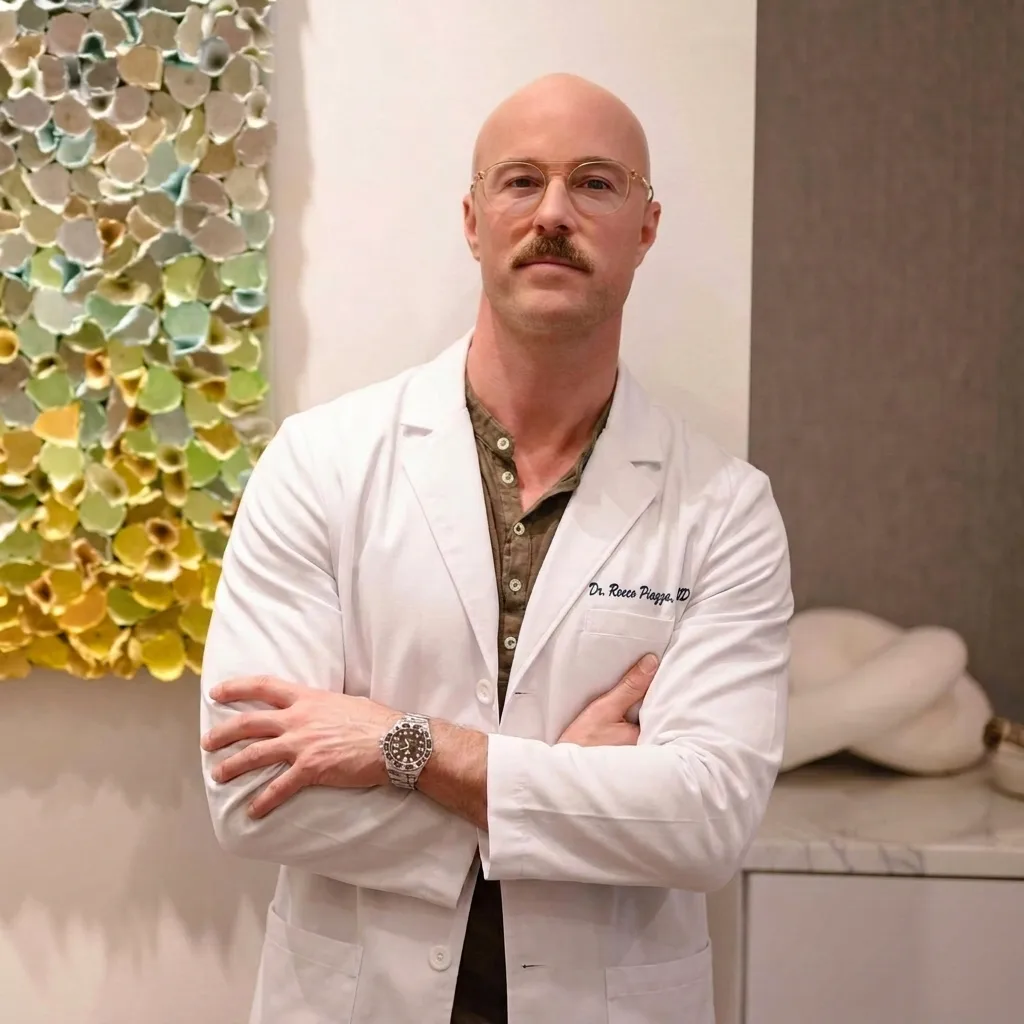 Rocco C. Piazza II — MD, FACS · Founder, The Piazza Center
FAQ
Frequently Asked Questions.
Still have questions specific to your body and goals? Dr. Piazza addresses them one-on-one during your private consultation.
Schedule a Consultation →Breast implants are not considered 'lifetime devices.' While some patients keep them for years without issues, others may require revisions sooner due to complications such as rupture or capsular contracture. Regular follow-ups are essential to address any changes rather than waiting for an 'expiration date.' For more details on long-term considerations, refer to the FDA's overview of breast implant risks and complications.
Silicone implant ruptures can be “silent,” meaning you may not experience symptoms immediately. Medical guidelines commonly reference imaging surveillance (MRI or ultrasound) beginning several years after surgery and then periodically thereafter. Dr. Piazza will advise you on a monitoring plan tailored to your implant type and history.
Yes. You can—and should—continue age-appropriate breast cancer screening. Implants may require additional “implant displacement” views so the technologist can better visualize breast tissue. It’s essential to inform the imaging center that you have implants when booking.
Many women can breastfeed after augmentation, but there are no guarantees. Breastfeeding outcomes vary based on your anatomy, surgical approach, incision location, and the presence of glandular tissue. The FDA notes that changes in sensation and breastfeeding-related outcomes are considerations to discuss before surgery.
Pregnancy and weight changes can alter breast volume and skin elasticity, sometimes leading to new sagging or shape changes, regardless of the technique used. If that happens, options may include a breast lift, implant adjustment, or revision. The key is planning your starting size and tissue tolerance with long-term life changes in mind.
Most augmentation scars are designed to be discreet, commonly placed in the inframammary fold (the natural crease under the breast). Scar quality depends on your healing biology, incision care, sun exposure, and factors like smoking history. The FDA lists scarring and other local tissue effects among potential outcomes and complications.
Implants can make mammography more technically complex, which is why specialized imaging views are used. This is a screening logistics issue—not a reason to avoid implants. The most important steps are (1) telling your imaging center you have implants and (2) keeping routine screening appointments.
All surgery carries risk. Potential complications include infection, bleeding/hematoma, seroma (fluid collection), wound healing issues, scarring, and anesthesia-related risks. Implant-specific risks can include capsular contracture, rupture, changes in nipple/breast sensation, rippling, malposition, and the need for future revision surgery. The FDA also highlights rare but serious conditions, including breast implant-associated anaplastic large cell lymphoma (BIA-ALCL) and other breast implant-associated malignancies and systemic symptom reports sometimes referred to as breast implant illness (BII).
In the U.S., the FDA approval framework generally distinguishes age considerations by implant type/indication; for silicone gel-filled implants used for augmentation, the commonly referenced threshold is 22 years and older. Your candidacy still depends on health, anatomy, and informed consent.
Breast
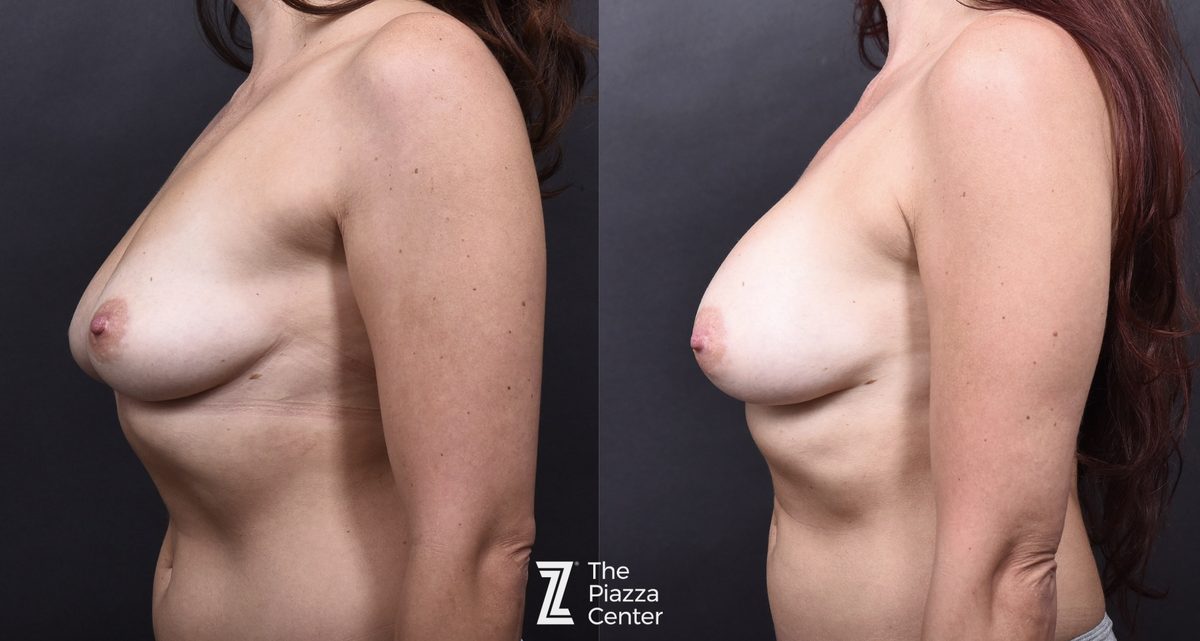
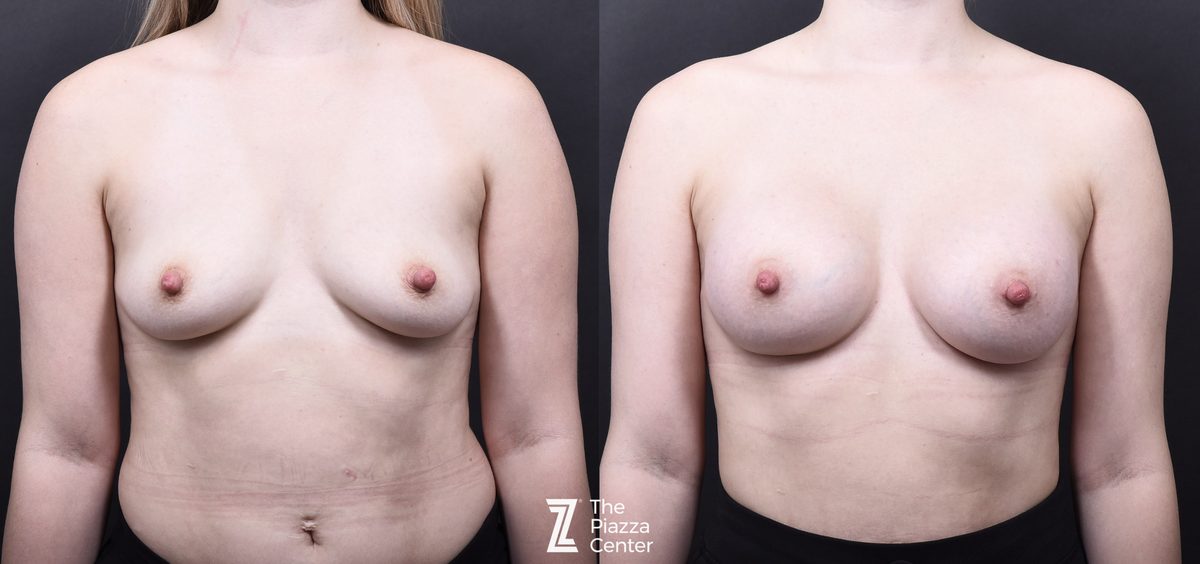
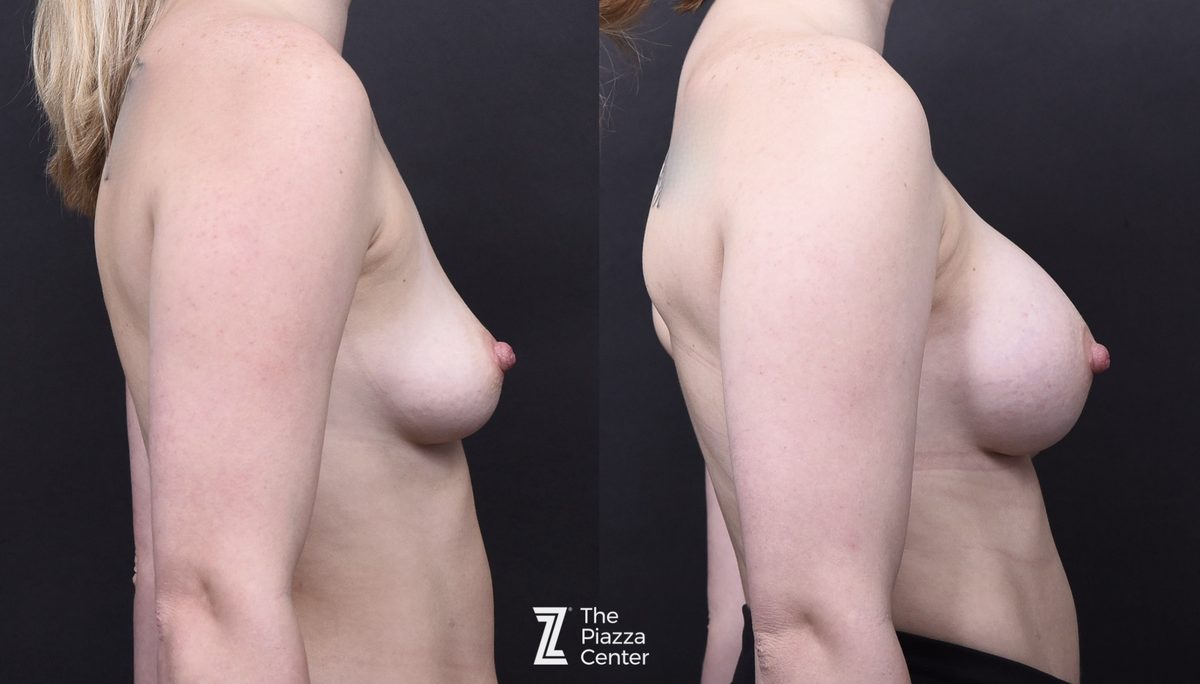
Real Results,
Real Patients.
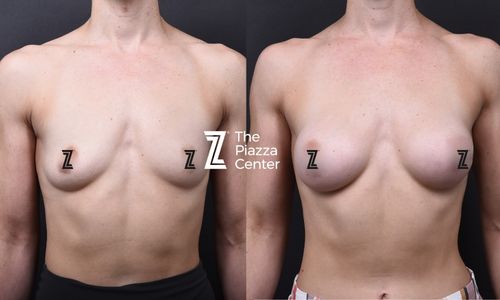
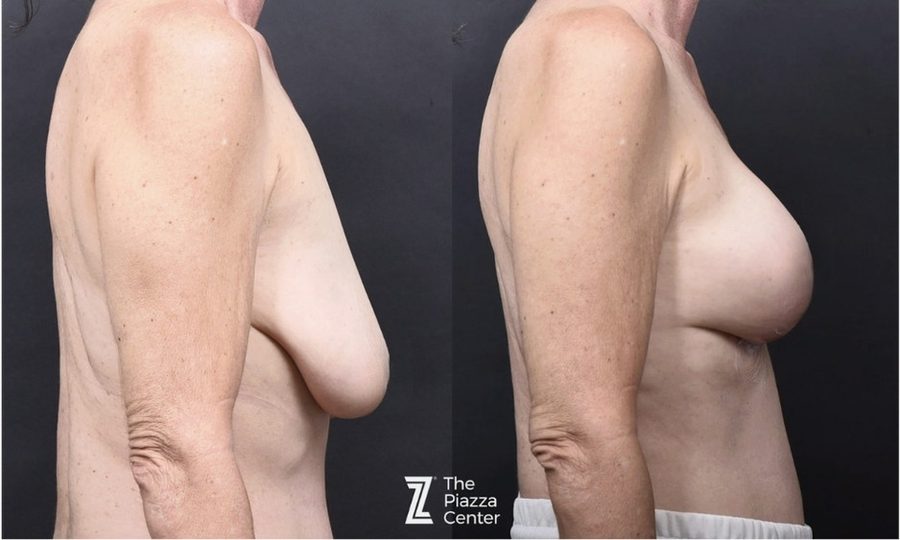
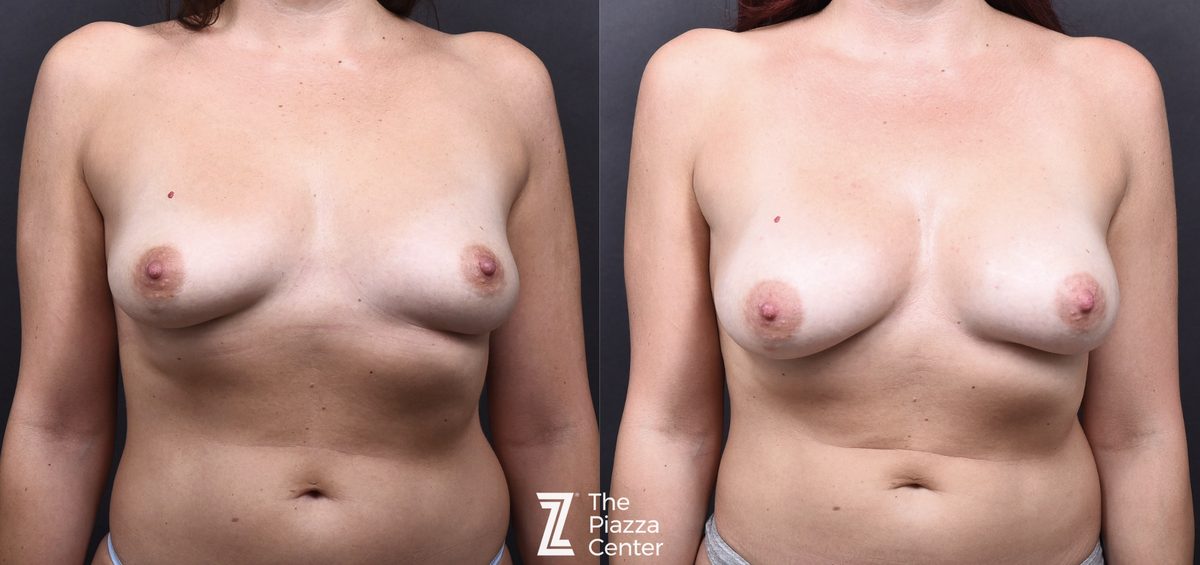
Every photo in our gallery is shown with documented patient consent — see the transformations our patients have achieved before scheduling your own consultation.
Warning:
This gallery contains nudity. Click OK to confirm you are at least 18 years of age and are not offended by this material.
Photos shown with documented patient consent. Individual results vary.
Patient Voices
What Patients Are
Saying on Google.
★★★★★
4.9 · 270 Google Reviews
“I had Motiva Preservé breast augmentation with Dr. Piazza and the results exceeded my expectations. I was terrified to end up with a breast that looked fake like so many others — that never happened.”
“I couldn't be happier with my experience with Dr. Piazza and his team. I came in for a breast augmentation and lift, and not only did Dr. Piazza listen carefully to what I wanted, but he truly understood what I was going for.”
“I've been going to The Piazza Center for years — Dr. Piazza did my breast augmentation and it was, hands down, one of the best decisions I ever made and only wish I had done it years earlier.”
“I couldn't be happier with my decision to choose Dr. Piazza and his team for my breast augmentation. If you are searching for a surgeon, look no further! He is incredible at what he does and he has an incredible team.”
“I just had breast implants replaced and lift and was totally impressed with the high quality patient care from beginning to end. The time Dr. Piazza and staff spend with patients makes you feel safe and comfortable.”
“I had a breast augmentation done by Dr. Piazza; not only do I love my results, but the level of care involved made the whole experience memorable.”
“I had a breast augmentation performed by Dr. Rocco Piazza at The Piazza Center in Austin, TX, and I couldn't be happier with my experience. From the very first consultation, Dr. Piazza was incredibly patient and kind.”
“"Life changing" is simply the best way to describe my experience with Dr. Piazza. He was the first surgeon who confidently and immediately knew the plan to correct issues from a prior procedure elsewhere.”
“I could not be happier with the results from my procedure with Dr. Piazza. I have very high standards, and my expectations were exceeded. The entire process was seamless from consultation to surgery center.”
Continue Exploring
Related Procedures
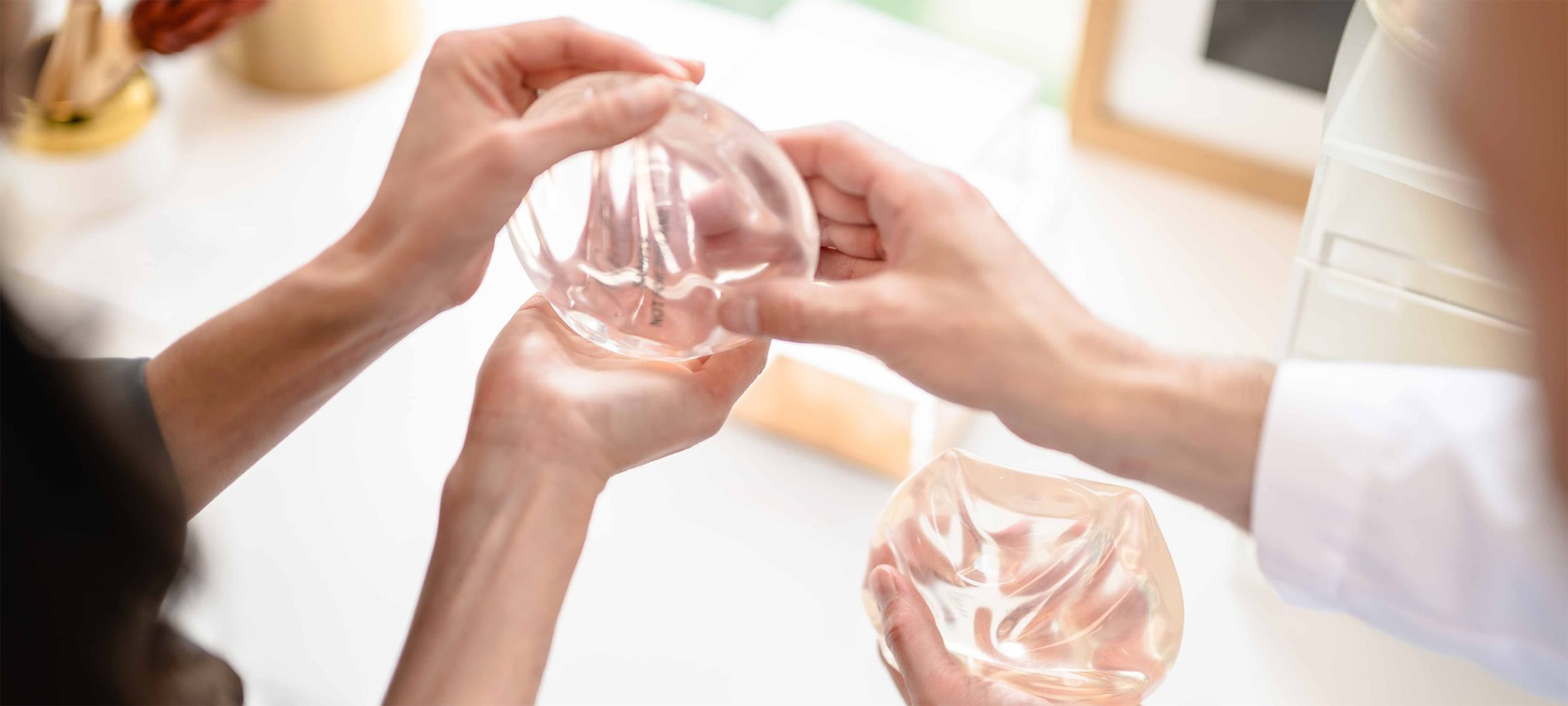
Breast Implant Options in Austin, TX
Learn about your breast implant options in Austin, TX with board-certified plastic surgeon Dr. Piazza. Silicone, saline, size, and shape explained.
Explore →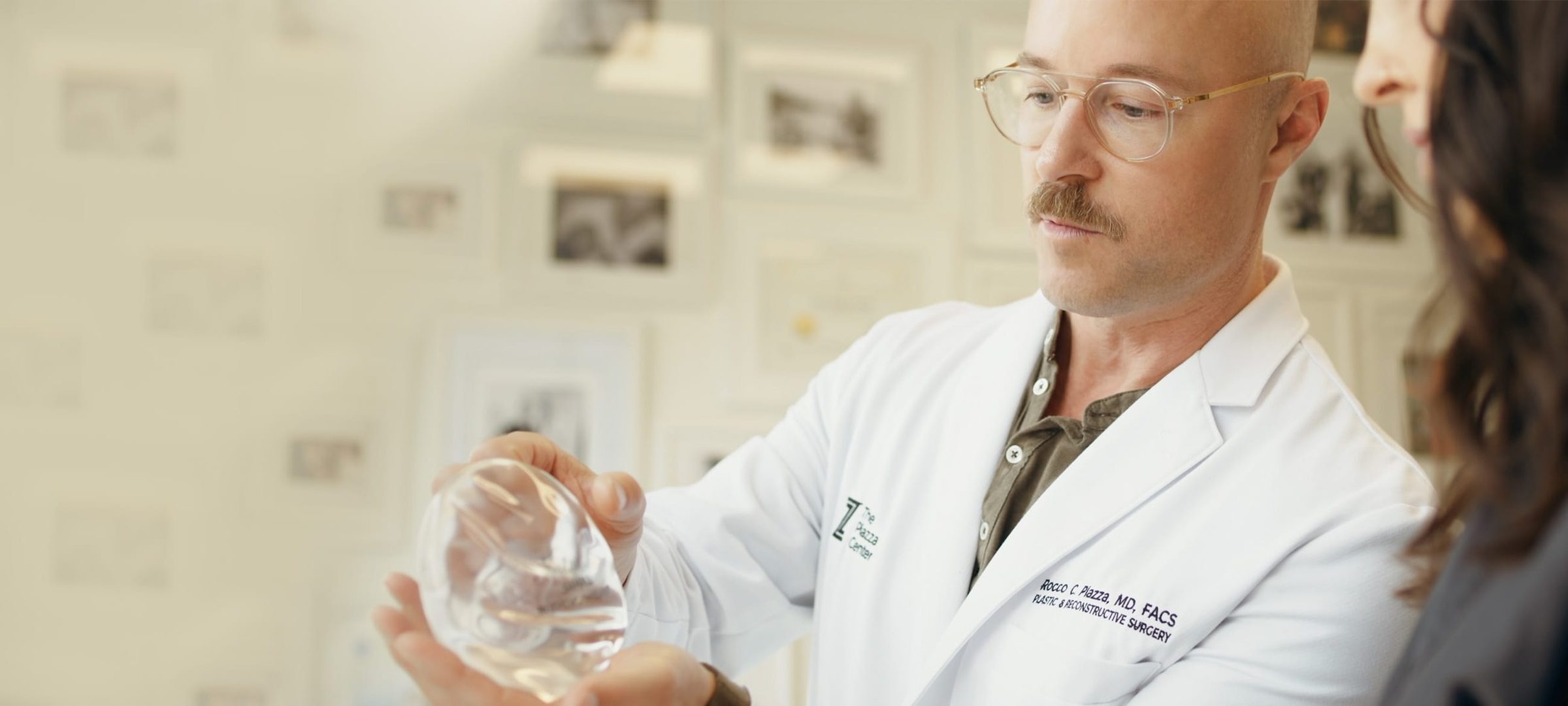
Breast Augmentation Revision in Austin, TX
Unhappy with previous implants? Expert breast revision surgery in Austin corrects capsular contracture, implant displacement, and asymmetry. Book a private consultation.
Explore →
Fat Transfer Breast Augmentation in Austin, TX
Natural breast enhancement using your own fat - no implants needed. Fat transfer breast augmentation in Austin delivers subtle, lasting results. Schedule a consultation today.
Explore →
Ready to Get Started?
Schedule Your Consultation
with Dr. Piazza
Every patient deserves individualized care. Meet with Dr. Piazza to discuss your specific goals and develop a plan tailored to you.