

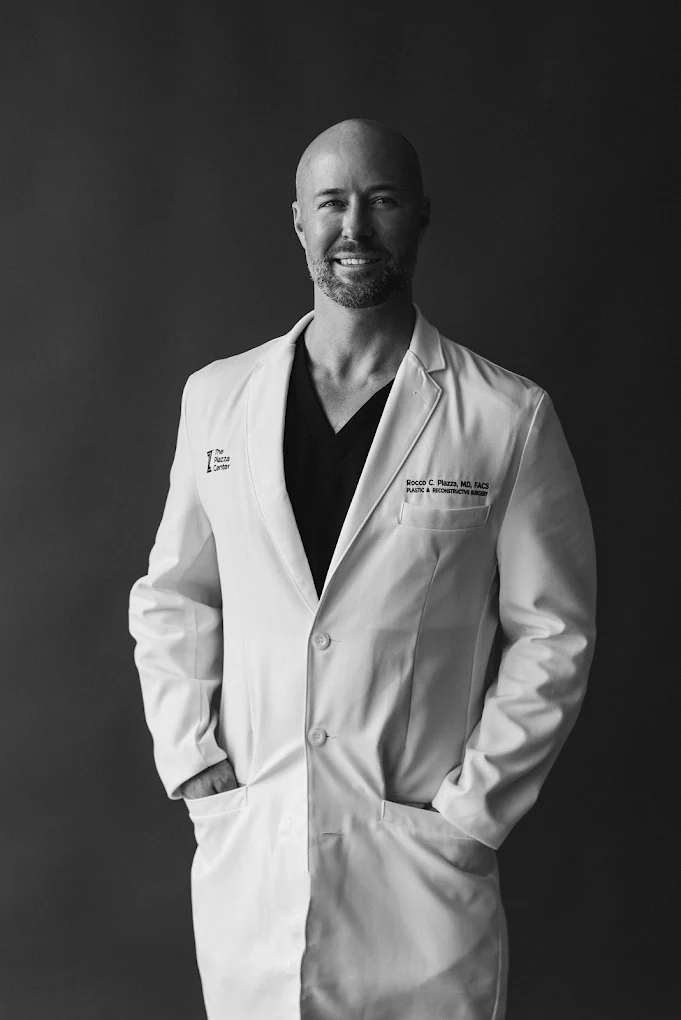
Expertly WRITTEN By
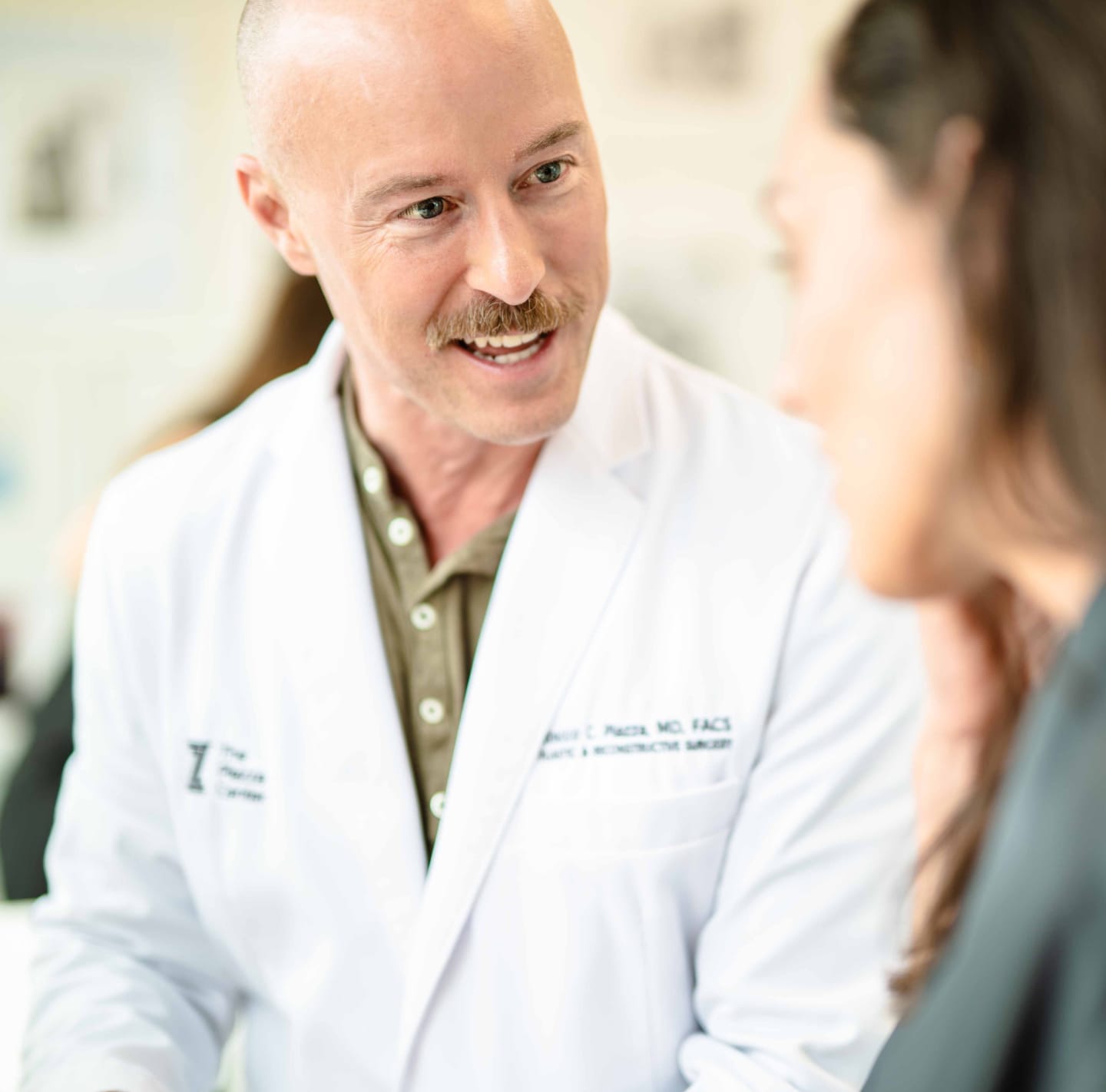
Dr. Rocco Piazza, MD, FACS
Board-Certified Plastic Surgeon specializing in tummy tuck, mommy makeover and body contouring in Austin, TX.
The Scar Protocol at a Glance
In surgery: Incision placed low enough to hide under bikini bottoms, closed with progressive tension to take stress off the skin edge
From about one week: Zero-contact red light therapy, standing in front of a wall-mounted HigherDOSE Full Body Red Light Mat, with your surgeon’s OK
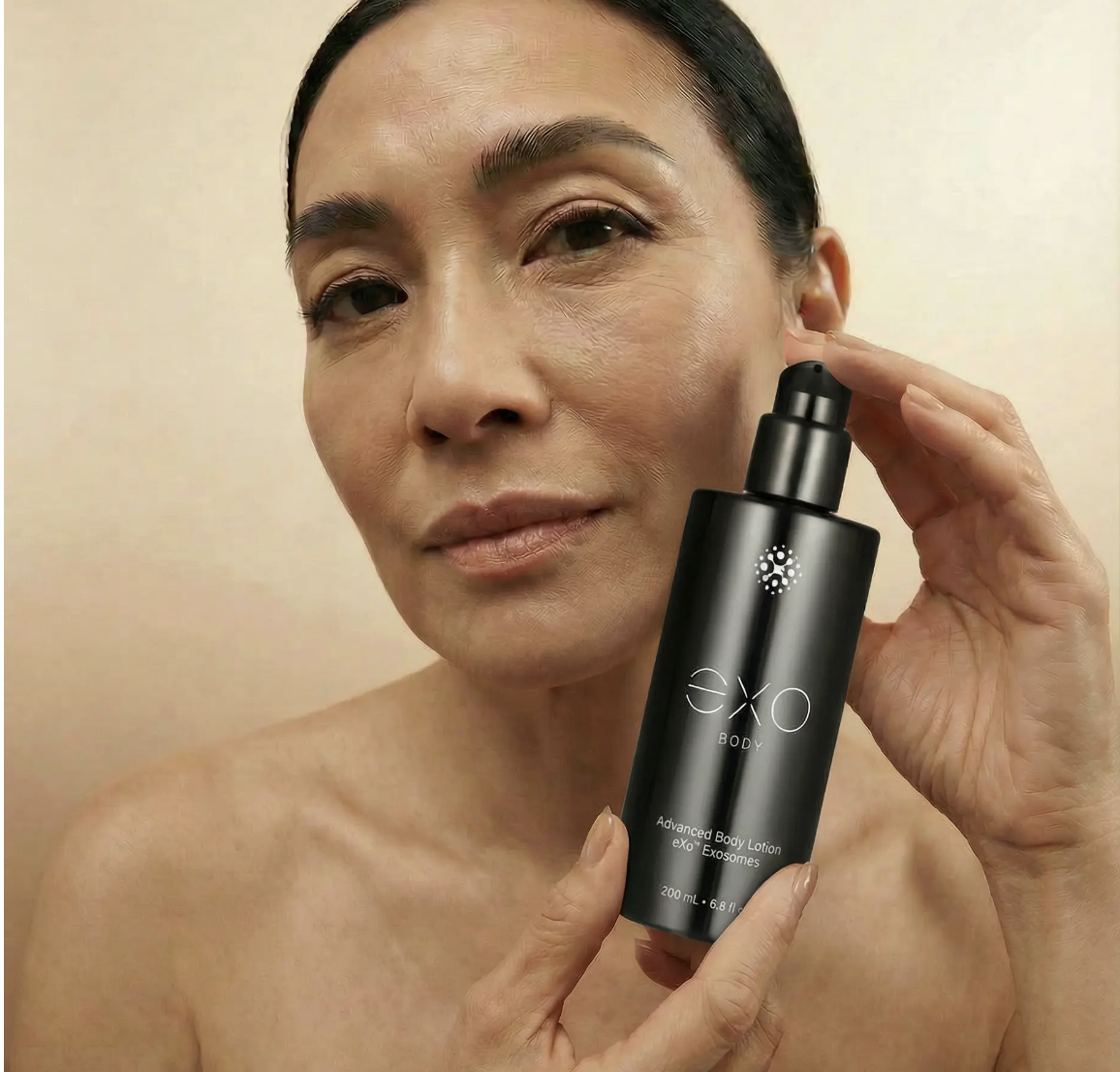
After sutures are removed: EXO BODY exosome lotion on the skin of the abdomen around the incision
From about 3–4 weeks: Silagen 100% silicone scar gel, twice daily, once the incision is fully closed
From about 6 weeks: A series of six BroadBand Light (BBL) treatments in the office to calm redness
From about 12 weeks: Switch to Silagen Scar Gel SPF 30 as the scar matures
Sun protection: Every day for the first 18 months
Scar Note: A tummy tuck scar is decided twice: once in the operating room, and again over the 18 months it takes to mature. Surgery sets how thin it can be. Aftercare decides how much of it shows.
Almost every tummy tuck consultation at The Piazza Center gets to the same question sooner or later: what will my scar look like? It is a fair question. The incision runs hip to hip, and one of the main reasons patients choose a tummy tuck in Austin is to feel confident in a swimsuit or low-rise jeans again.
The honest answer is that a tummy tuck always leaves a scar, and a well-placed, well-cared-for one fades to a thin, flat line that sits below the bikini line. This guide walks through where the scar goes, what it looks like at each stage of healing, and the exact protocol Dr. Piazza's patients follow, updated with the silicone, red light and skincare steps we use today.
Where the Tummy Tuck Scar Sits
The incision is what makes a tummy tuck work. It is how Dr. Piazza repairs separated abdominal muscles, removes loose skin and stretch marks, and reshapes the belly button. What can be controlled is where the scar sits and how much tension it heals under.
Dr. Piazza places the incision as low as possible, so it can be covered by bikini bottoms or low-rise jeans. Many surgeons still place it higher, a habit left over from the high-cut swimsuits of the 1980s, and those scars show with modern fashion. When he closes the incision, a combination of progressive tension and STRATAFIX™ barbed suture takes the pull off the skin edge. Less tension on the skin edge is what lets the scar heal as a thin line rather than stretching wide.
There is also a second, smaller scar around the belly button, where it is brought through the newly tightened skin. It is usually tucked inside the rim of the navel and becomes hard to see once healed.
Tummy Tuck Scar Healing Stages: What to Expect Month by Month
Scars heal in stages, and a scar that looks red and raised at two months is not a scar that has gone wrong. This is roughly what the timeline looks like for most patients.
| Time after surgery | What the scar looks like | What to do |
|---|---|---|
| Week 1 | Incision under dressings, with swelling and bruising | Follow your wound care instructions. From around day 5 to 7, with your surgeon’s OK, you can stand in front of a wall-mounted red light mat with your dressings on. |
| Weeks 2–3 | Pink to red, may feel firm or slightly raised | Continue zero-contact red light. Once sutures are removed, start EXO BODY on the skin around the incision, not on it. |
| Weeks 3–6 | Incision fully closed, still pink to red | Start Silagen silicone gel twice daily, usually around 3 to 4 weeks, once your surgeon clears you. |
| 6 weeks–3 months | Often at its reddest and firmest. This is normal. | Keep up silicone. BBL series can begin around 6 weeks. |
| 3–12 months | Flattens, softens and fades from red to pink | Switch to silicone with SPF 30 as it matures. Daily sun protection. |
| 12–18 months | Pale, flat, thin line close to your skin tone | Keep protecting it from the sun until 18 months. |
That early red, thick phase is caused by increased blood flow as the body builds new collagen. It usually lasts from about 6 weeks to several months. Around the 3-month mark most scars move into the maturation phase: flatter, softer and pink. Full maturation takes 12 to 18 months.
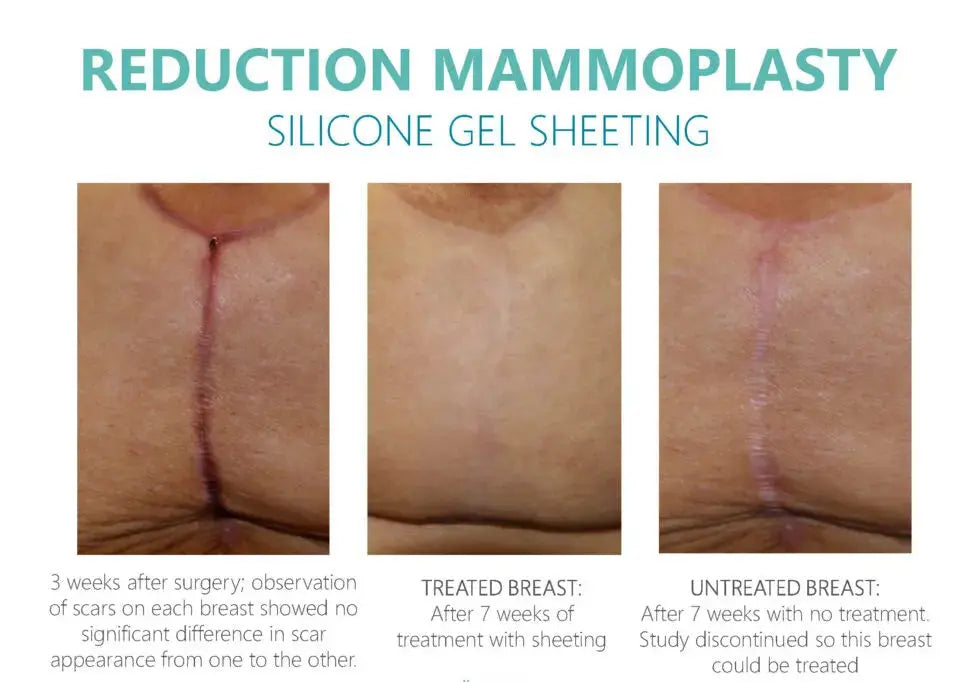
What consistent silicone does: a breast reduction scar 7 weeks after silicone sheeting (center) compared with the untreated side (right). Image courtesy of Silagen; not a Piazza Center patient.
Step 1: Silicone Scar Gel (Start When Your Incision Is Closed)
Silicone is the most widely recommended topical treatment for new surgical scars. Dr. Piazza's patients use Silagen 100% Silicone Scar Gel, which dries to a thin, flexible layer over the scar. That layer holds in moisture and applies gentle occlusion while collagen is still remodeling, which helps a scar flatten, soften and lose its redness.
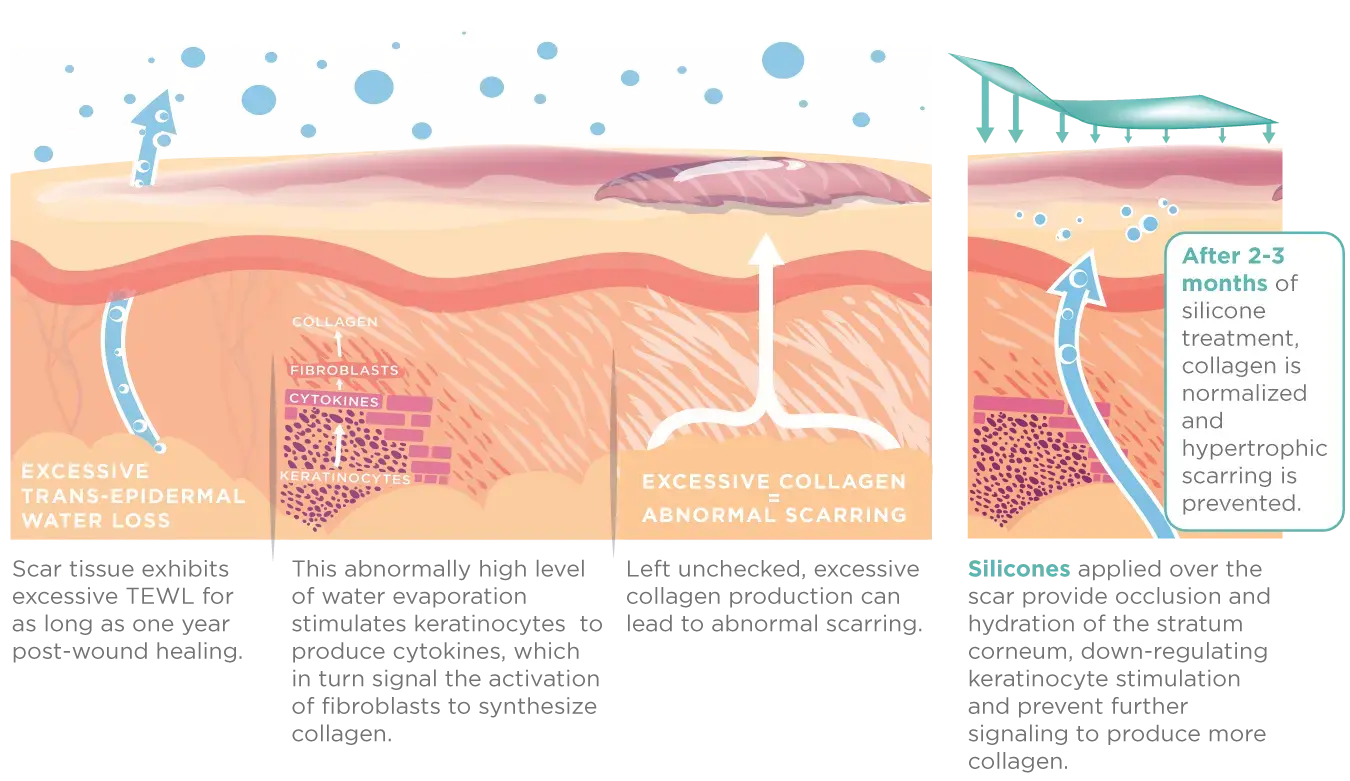
- When to start: Once the incision is fully closed, with no scabs or open areas, and your surgical team has cleared you. For most tummy tuck patients that is around 3 to 4 weeks after surgery.
- How often: A thin layer, twice a day, on clean, dry skin.
- How long: Dr. Piazza's protocol continues scar care for the first 6 to 8 months.
- Gel or tape? Silicone tape and sheeting work the same way as the gel. On a long, curved tummy tuck incision that sits under compression garments and waistbands, most patients find the gel easier to keep on consistently.
Step 2: Zero-Contact Red Light Therapy
Dr. Piazza is a strong advocate for red light in wound healing, and a tummy tuck is where the delivery method matters most. A handheld device or a mat you lie on means pressure and friction on a fresh incision. So for at-home use he points patients to the HigherDOSE Full Body Red Light Mat, mounted on a wall or door so you can sit or stand in front of it. The light reaches the whole abdomen and incision with nothing touching your skin.
Red light at 660nm and near-infrared at 850nm is used to support circulation and tissue repair, and to help settle post-surgical swelling. Most patients can begin at roughly one week, with their surgeon’s guidance. From around day 5, while the sutures are still healing, you can stand in front of the wall-mounted mat with your dressings on. Never sit or lie directly on the mat while you have open wounds or healing incisions, and always check with your physician before starting. Our guide to red light therapy for surgical recovery covers the science in more detail.
Step 3: Sun Protection for 18 Months
This is the step that most often decides how a tummy tuck scar looks long term. New scar tissue burns faster than normal skin, and UV exposure while it is still maturing can leave the scar permanently darker than the skin around it, even when it heals flat and thin.
A tummy tuck scar is long, low and easily exposed at the pool, on the lake or at the beach. Once the scar starts to mature and lose its pink color, usually around 12 weeks, Dr. Piazza's patients switch to Silagen Scar Gel SPF 30. It keeps the silicone step going and adds broad-spectrum SPF in the same layer. If your scar will see the sun before then, start the SPF version earlier. Silicone on its own is not a sunscreen.
For long days outside, add a mineral sunscreen with at least 7% zinc oxide, UPF swimwear or a high-waisted bottom. Read more in our guide to protecting surgical scars from the Austin sun.
Step 4: Caring for the Skin Around the Scar
A tummy tuck removes the loosest skin, but the skin that remains above the scar is often the same skin that went through pregnancy or weight loss. Its quality affects how smooth the whole abdomen looks, not only the scar line.
Once your sutures have been removed, Dr. Piazza recommends EXO BODY, an exosome body lotion formulated for laxity and crepey texture, massaged into the abdomen once or twice daily. Use it on intact skin around the incision, not on the incision itself, and keep silicone as the step that goes directly on the scar. If crepey skin is your main concern, see crepey skin after weight loss or a GLP-1.
In the Office: BroadBand Light (BBL) for Redness
For patients who want the scar to fade faster, The Piazza Center offers BroadBand Light (BBL) therapy. BBL uses pulses of light to target the redness and uneven pigment in scar tissue and to stimulate collagen. Dr. Piazza typically recommends a series of six BBL treatments beginning about six weeks after surgery, alongside the silicone regimen.
The Belly Button Scar
The navel scar follows the same timeline and gets the same care: silicone once it is closed, and sun protection. Because it sits inside the rim of the belly button, it is usually the least visible part of the result once healed. For more on how the navel is reshaped, see our tummy tuck belly button FAQ.
When a Scar Does Not Heal as Planned
Even with good technique and careful aftercare, some patients form thicker scars. This is usually down to genetics and skin type, which no one can fully control. A scar that stays raised, itchy or keeps widening past a few months should be seen early, because hypertrophic and keloid scars respond best to early treatment. Where needed, Dr. Piazza offers scar revision.
"I plan the location of the incision and place it as low as possible, so it can be covered by bikini bottoms or low-rise jeans. I take great care with the surgery. My team and I then invest in detailed education so you can carry out the rest of the scar care, which is why following it matters so much." — Dr. Rocco Piazza
Tummy Tuck Scar FAQ
How long does a tummy tuck scar take to heal?
The incision closes in the first few weeks, but the scar keeps changing for 12 to 18 months. It is often reddest around 6 weeks to 3 months, then flattens and fades. Most patients see a pale, flat line by 12 to 18 months.
When can I start silicone gel or scar tape after a tummy tuck?
Once the incision is fully closed and your surgical team has cleared you, which for most patients is around 3 to 4 weeks after surgery. Never apply silicone to an open or weeping incision.
What is the best scar cream for a tummy tuck?
Silicone is the best-supported topical for new surgical scars. Dr. Piazza's patients use Silagen 100% Silicone Scar Gel, then switch to Silagen Scar Gel SPF 30 as the scar matures. Both are in our Post-Surgery Scar Healing Kit.
Does a tummy tuck scar ever go away?
No surgical scar disappears completely. A well-placed tummy tuck scar that is protected while it matures fades to a thin, flat line that sits below the bikini line and is usually easy to hide.
How long should I keep my tummy tuck scar out of the sun?
Dr. Piazza recommends protecting the scar every day for the first 18 months. You do not have to avoid the sun, but the scar should always be covered with SPF, clothing or a swimsuit.
Can I get a tattoo over my tummy tuck scar?
Wait until the scar has fully matured, usually 12 to 18 months, when it is flat and no longer red. Tattooing an immature scar can irritate it and give an uneven result. Ask Dr. Piazza to check the scar first.
Individual results vary. This article is for educational purposes and does not constitute medical advice. Always follow the post-operative instructions given by your own surgical team.
Planning a Tummy Tuck in Austin?
Dr. Rocco Piazza places your scar low and gives you a protocol to help it heal thin and flat. See your options at a private consultation.
Dr. Rocco Piazza II
Board-Certified Plastic Surgeon
Dr. Piazza is a board-certified plastic surgeon practicing in Austin, TX. He specializes in aesthetic and reconstructive surgery with a focus on natural results.