


Expertly Written By
Dr. Rocco Piazza, MD, FACS
Board-Certified Plastic Surgeon practicing in Austin, Texas, and the physician who selects every product on our skincare shelf.
At a Glance
What it is: A two-part gel mask that releases CO2 at the skin's surface
What it does: Prompts a local rise in circulation — the flush people call glow
Who it suits: Dull or tired skin, pre-event prep, and skin recovering from laser, microneedling or a peel
What we stock: Dr. Medion Spaoxy Gel, Spaoxy Gel Bright Plus and Spaoxy Matcha
Time on skin: Follow the box — typically 10–20 minutes
Why This Matters: In-office carboxytherapy uses injected CO2. An at-home mask is a gentler, surface version of the same idea. It is a genuinely useful recovery and radiance step, and it is not a substitute for a procedure. Individual results vary.
Carboxy therapy started as an in-office treatment: small amounts of medical CO2 delivered under the skin to increase local blood flow. The at-home version is gentler and topical. Two components are mixed or layered on the face, they react, and CO2 is released against the skin for the length of the mask.
It is one of the few at-home products whose mechanism is easy to explain honestly, which is part of why it has stayed on our shelf. Here is how it works, what it is good for, and which of the three versions we stock suits which skin.

How a CO2 Mask Works: The Bohr Effect
When tissue senses more carbon dioxide, haemoglobin releases oxygen more readily in that area, and local blood vessels widen to increase flow. That physiological response is called the Bohr effect, and it is the whole basis of carboxy therapy.
A CO2 mask uses it at the surface. The gel holds CO2 against the skin, the area responds as though it needs more oxygen, and circulation increases for a while. What you see when the mask comes off — colour, a plumper look, less dullness — is that circulatory response.
That is also the honest limit. The visible flush is real and temporary. Regular use can support a healthier-looking complexion over time, but a mask does not resurface skin, remove pigment or tighten laxity the way a laser or a procedure does.
What It Is Genuinely Good For
Post-procedure recovery. This is where we use it most. After laser, microneedling or a peel, a non-stinging step that supports circulation and calm is useful. In our own aftercare sequence, the Dr. Medion CO2 mask comes in on day 2, after the first days of occlusive barrier care — but your provider's instructions for your specific treatment take precedence.
Before an event. Because the radiance effect is immediate, a mask the day before or the morning of a wedding or a photoshoot is a sensible use of it.
Dull, tired skin. As an occasional treatment step, it is a reliable way to make skin look more awake. Some patients do a short run of consecutive days as a reset; the 3-treatment set is built for that.
Which Mask, for Which Skin
All three are from Dr. Medion, a Japanese brand that specialises in topical carboxy therapy. The CO2 chemistry is the same idea in each; what changes is what is paired with it.

Spaoxy Gel (Original)
Start here. Fragrance-free and hypoallergenic, with hyaluronic acid. The one for sensitive skin and for post-procedure use.
Shop the 3-Treatment Set →
Spaoxy Gel Bright Plus
For dullness and uneven tone. Adds a vitamin C booster for antioxidant support. Better for normal to resilient skin — if you are sensitive, try the original first.
Shop Bright Plus →
Spaoxy Matcha CO2
For congested or reactive skin. Pairs CO2 with matcha's antioxidant, calming catechins. What matcha actually does for skin.
Shop Spaoxy Matcha →Why We Replaced CO2Lift With Dr. Medion
If you are looking for CO2Lift Pro or the CO2Lift Carboxy Mousse, we have replaced them with Dr. Medion. Dr. Medion comes from Dr. Masato Hiki, the physician who created carboxy therapy, and it delivers similar results with better value per treatment — which matters for something you will use more than once.
Former CO2Lift users should start with the original Spaoxy Gel. The mechanism is the same; the Spaoxy format is a single-use gel mask.
How to Use One
- Cleanse and pat skin dry.
- Prepare the mask exactly as the box directs — the two components have to react to release CO2.
- Apply an even layer and leave it for the time on the packaging, typically 10–20 minutes. A light tingle is normal.
- Remove and follow with your moisturiser. Sunscreen in the morning, as always.
If you are in active aftercare with us, ask before adding anything. Timing after a procedure matters more than the product.
CO2 Masks: Common Questions
Is an at-home CO2 mask the same as in-office carboxytherapy?
No. In-office carboxytherapy delivers CO2 beneath the skin. A mask works at the surface and is gentler. It uses the same physiological principle, at a much smaller scale.
How soon will I see a difference?
The glow is visible as soon as the mask comes off, and it is temporary. Any longer-term change in how skin looks comes from consistent use alongside a good daily routine. Individual results vary.
Can I use it after laser or microneedling?
Usually yes, once the first days of barrier care are done — in our protocol that is day 2. Follow the aftercare your provider gave you for your specific treatment.
Which one should I start with?
The original Spaoxy Gel. It is the gentlest, and it is the one we use after procedures. Move to Bright Plus or Matcha once you know how your skin responds.
How often can I use it?
As an occasional treatment step, or a few days in a row as a short reset. Follow the packaging and stop if your skin becomes irritated.
Individual results vary. The products discussed are cosmetic products and are not intended to diagnose, treat, cure or prevent any disease. This article is for educational purposes and does not constitute medical advice; speak with a qualified physician about what is appropriate for your skin.
Recovering From a Treatment, or Just Want the Glow?
Dr. Rocco Piazza and our Austin aesthetics team can tell you where a CO2 mask fits in your routine — and what would move the needle further.
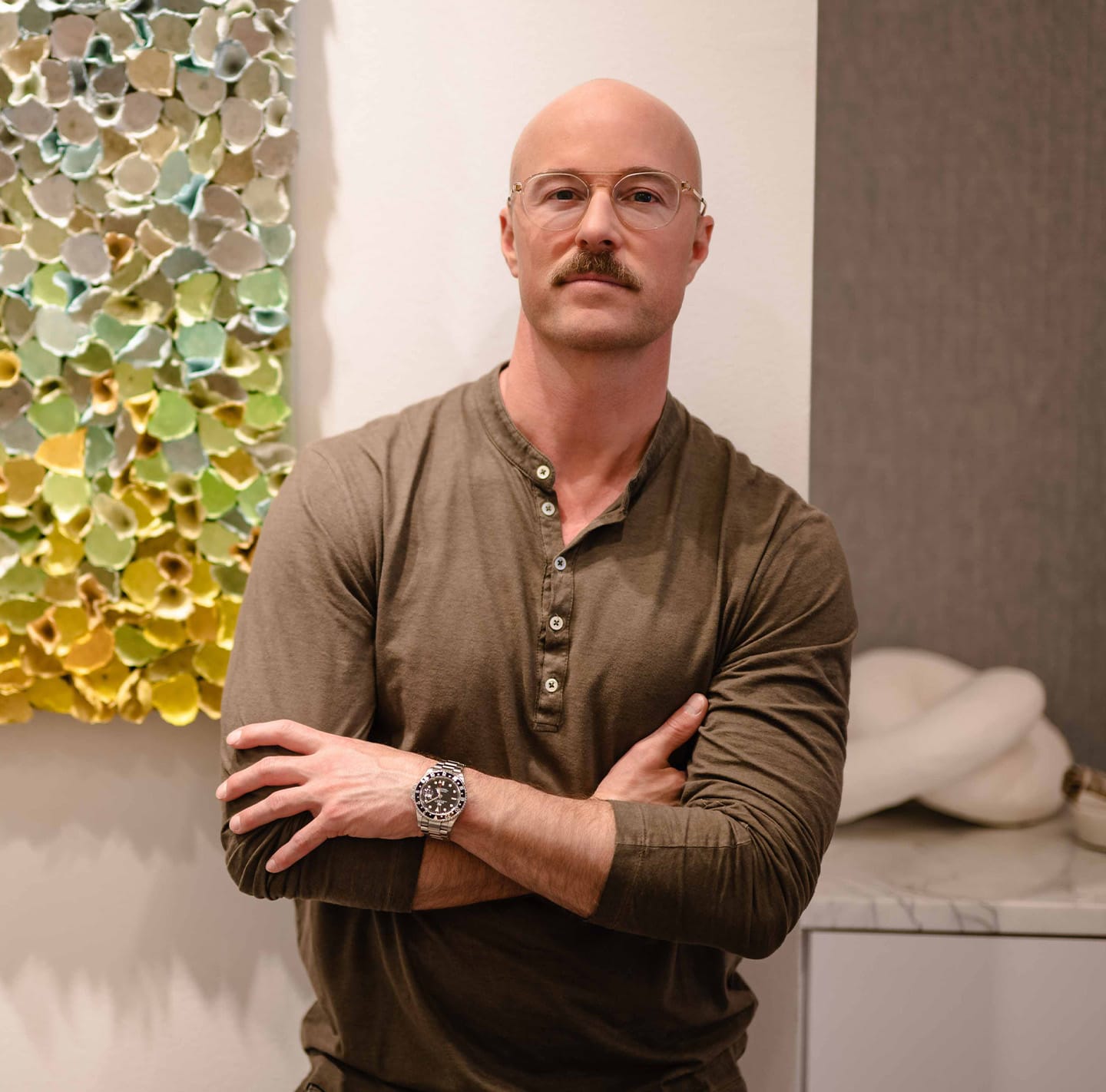
Dr. Rocco Piazza II
Board-Certified Plastic Surgeon
Dr. Piazza is a board-certified plastic surgeon practicing in Austin, TX. He specializes in aesthetic and reconstructive surgery with a focus on natural results.